Storm and flood mold removal deals with mold that starts after rain, sewer backup or overland water soaks a home. Drying within 24-48 hours matters most, and larger areas call for a professional. Call the number on this page to be connected with a local mold company in Chicago.
What storm and flood mold removal covers
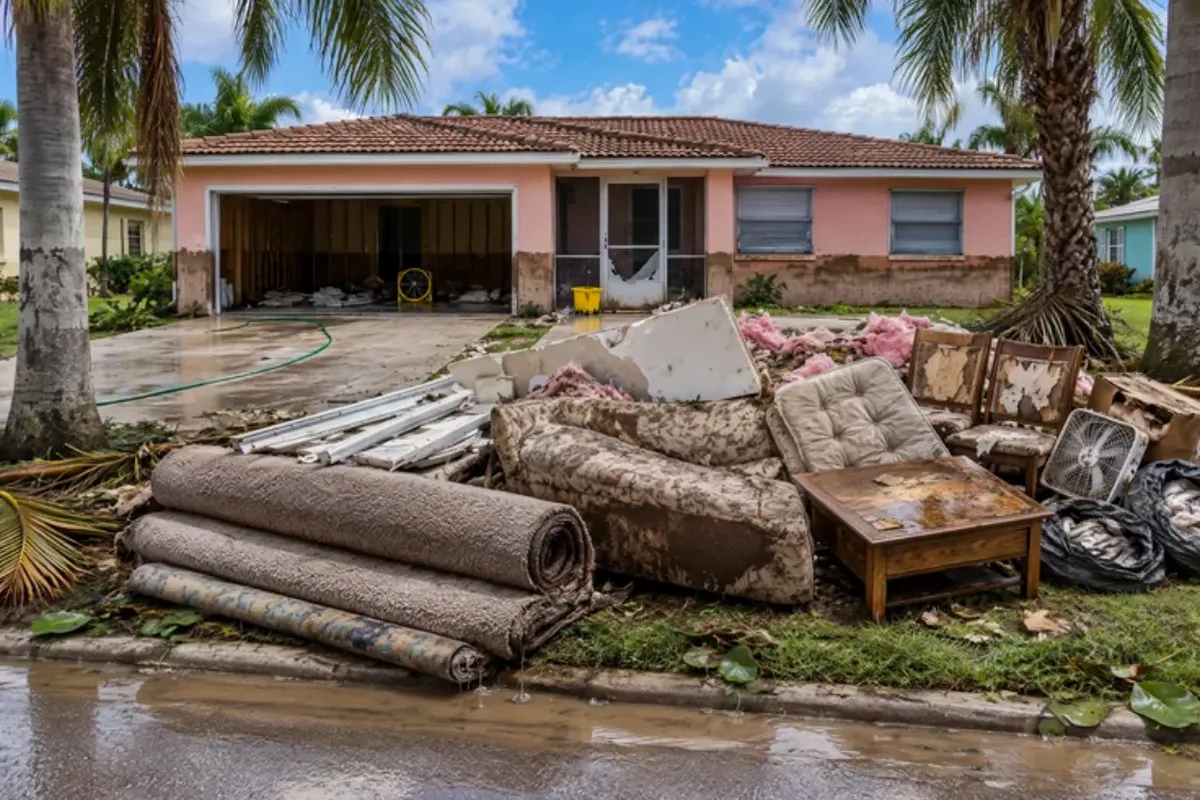
After a heavy storm, water can enter a Chicago home through a floor drain, a window well, a foundation crack or a failed sump pump. EPA says water-damaged areas and items should be dried within 24-48 hours to prevent mold growth. When that window is missed, mold can spread across drywall, carpet, framing and stored belongings, and flood mold removal is the work of containing, cleaning and removing it.
Why Chicago basements are exposed
The Metropolitan Water Reclamation District says the flat landscape of the Chicago region is naturally flood-prone, and that excess water can contribute to basement backups, street flooding and sewer overflows. Bungalows, two-flats and greystones often have finished or half-finished basements with floor drains tied to older combined sewers, so a summer cloudburst can put dirty water on the floor in minutes.
What usually happens
- Report the backup. The Chicago Department of Water Management takes Water in Basement requests, which it uses to dispatch a sewer crew.
- Stop the water and start drying, and take photos before anything is moved.
- Porous materials such as carpet and drywall that cannot be thoroughly dried and cleaned are discarded, per IDPH guidance.
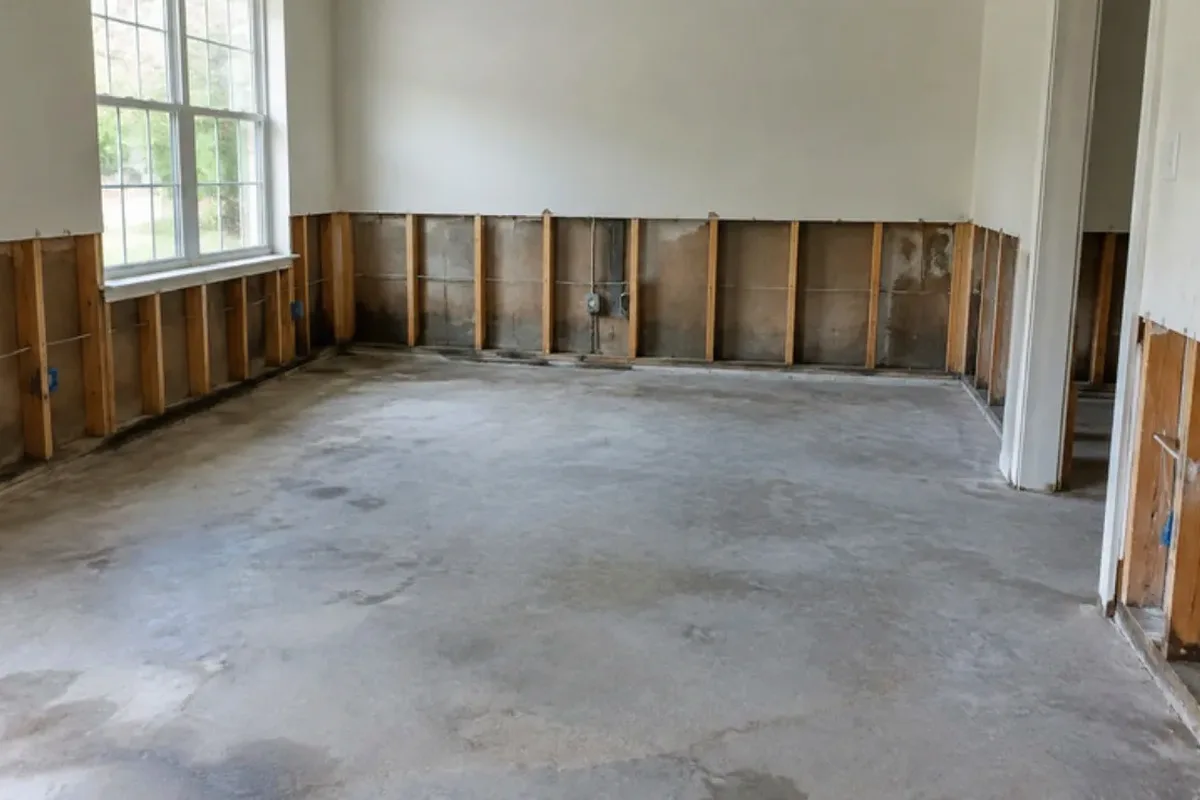
- The crew contains the area, removes damaged material, cleans surfaces and dries the space.
- The source of moisture is fixed, because IDPH says a cleanup that skips the moisture problem will fail.
What it costs
Costs depend on how much of the house got wet and whether the water was clean. National figures from HomeGuide put whole-house remediation after a flood or similar event at roughly $15,000 to $30,000 per job, while This Old House gives $10,000 to $30,000. A small basement may cost far less, and a Chicago cost guide for smaller areas is covered in our guides.
Illinois checks before you hire
- Mold remediation providers must register with IDPH, showing third-party certification and financial responsibility.
- Under the Home Repair and Remodeling Act, work over $1,000 needs a written contract stating the total cost and the contractor's business name and address.
- In the city, a Chicago general contractor license is required for most rehabilitation work, with stated exceptions, and the Department of Buildings handles permits.
We are a referral service, not a mold company. Your call goes to an independent local company that handles the job.
Storm & Flood Mold Removal questions from Chicago homeowners
How fast does mold grow after a Chicago basement flood?
Who do I call about a sewer backup in Chicago?
Should I throw out wet drywall and carpet?
Is there a state license for mold work in Illinois?
Related mold services in Chicago
Helpful guides
Storm & Flood Mold Removal in nearby cities and towns
Cook County
DuPage County
Lake County
Will County
Sources
Last updated: