Order of work matters: stop the water, remove what is soaked, dry the structure, then clean. Fans and a dehumidifier help, yet saturated insulation and carpet pad are normally discarded. Call the number on this page to be connected with a local mold company in Glenview.
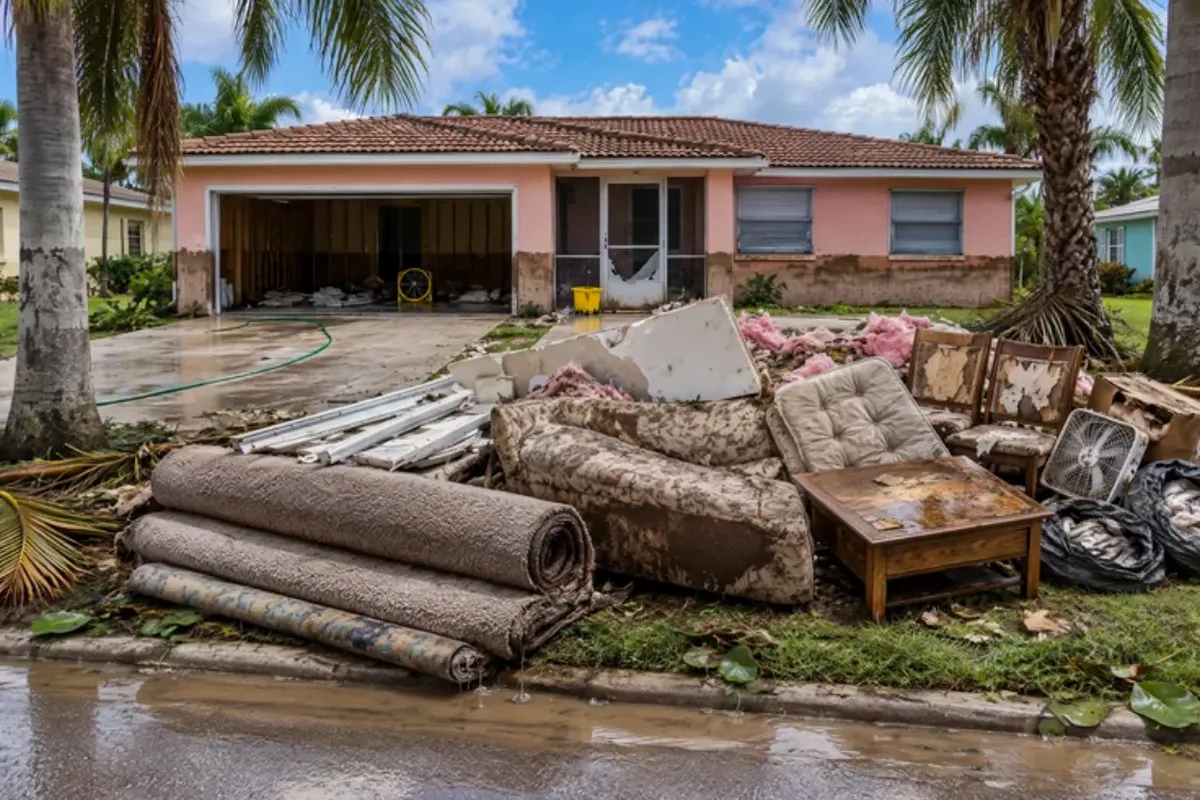
Walking back into a wet house
Confirm the electrical panel and outlets are safe before stepping into standing water, then document everything. Once water is out, open windows if weather permits and begin drying. If anything still feels damp after a day or two, ask about mold. Safety comes before salvage.
Rivers and creeks that spill over
After days of rain, waterways such as the Des Plaines, DuPage and Fox rivers and Salt Creek can leave their banks and flood low streets and basements. Ground stays saturated long after the crest passes, which slows drying. Low parts of Cook County take water first.
Homes put up in the 1970s frequently have basements that were never waterproofed. After a big rain, damp walls and slab seepage are common, so check for stains and odors.
Close to a river or creek, Glenview basements can take water from below as well as above. Plan on fans and dehumidifiers running long after the visible water is gone.
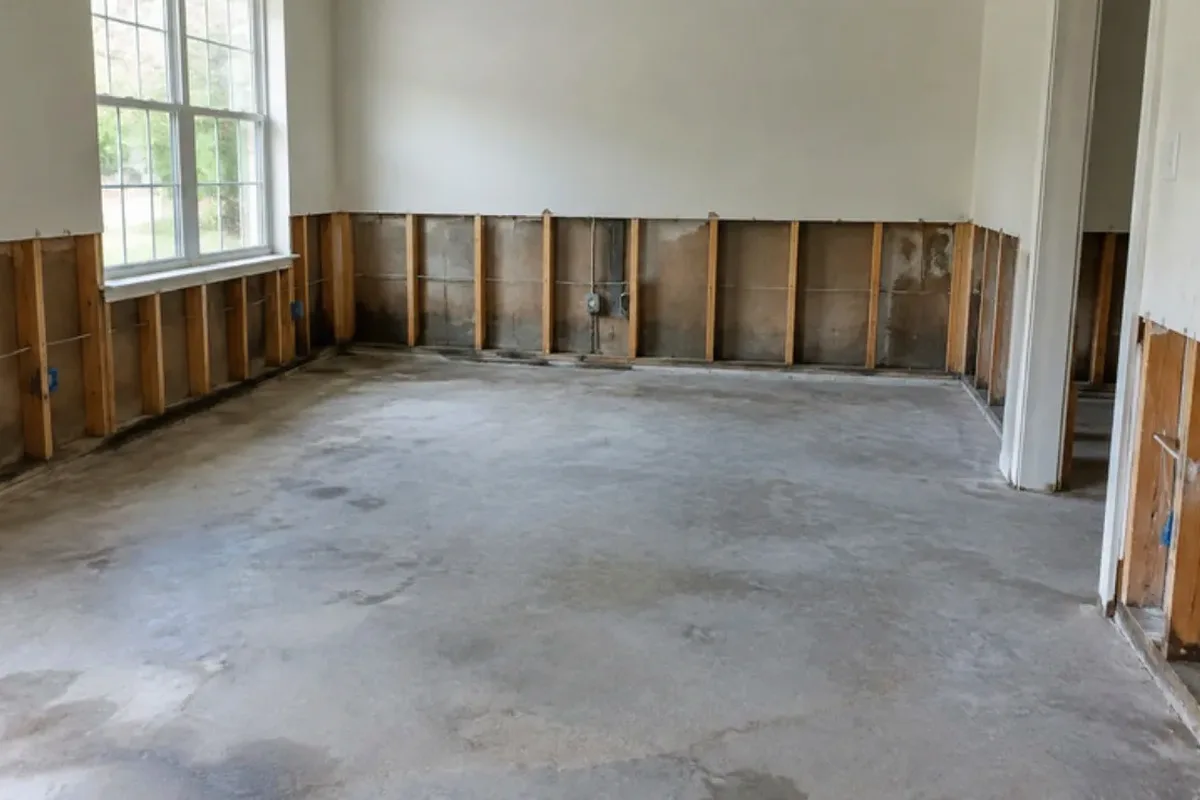
Who handles what in Glenview
For home repair or remodeling work over $1,000 in Illinois, the contractor must furnish a written contract with the total cost before work starts, along with the pamphlet called Home Repair: Know Your Consumer Rights.
Some owners hire one independent company for the inspection and clearance check and a different company for the cleanup, so the business judging the result isn't the one that did the work.
Remediation itself is cleanup, but putting the room back together can be permitted work; ask the contractor whether the Village of Glenview needs to be involved.
For flood zone questions after a heavy rain, FEMA's flood maps and your insurance agent can confirm the mapped zone for an address.
Companies that take calls here usually also work in Golf, Morton Grove and Northbrook.
Insurance questions to settle early
- Does the policy cover rising water or only wind-driven rain?
- Is sewer backup an added endorsement?
- Is mold capped?
- What paperwork does the adjuster want?
Answers decide who pays, so ask before work begins, write down each reply with the date and keep every email and letter from the insurer.
The usual order of work
- Make the space safe and stop incoming water
- Pump out standing water
- Remove materials that cannot be saved
- Dry framing and masonry
- Clean surfaces
- Recheck moisture readings
Skipping the last step is how damp spots get sealed into walls, so ask to see the final numbers.
A smell that returns
An odor that fades, then comes back on muggy days, suggests moisture remains in walls or beneath flooring. Hold off on closing walls or laying new floors until readings show the structure is dry. A meter on the surface tells you more than your nose, and a quick reading takes the company only a moment.
More about Glenview
Calls come in from across Glenview, including around Downtown Glenview, The Glen Town Center, The Grove National Historic Landmark.
Storm & Flood Mold Removal questions in Glenview
Should the air be tested after a flood?
Will mold return after cleanup?
How much does flood mold cleanup cost?
Are older brick or block basements harder to dry?
More mold services in Glenview
Storm & Flood Mold Removal nearby
Helpful guides
Sources
- Village of Glenview Development Center (Inspectional Services Division)
- Illinois Department of Public Health: mold remediation registration
- Illinois Department of Public Health: mold FAQs
- Illinois General Assembly: Home Repair and Remodeling Act
- EPA: A Brief Guide to Mold, Moisture and Your Home
- Glenview housing by year built
Last updated: