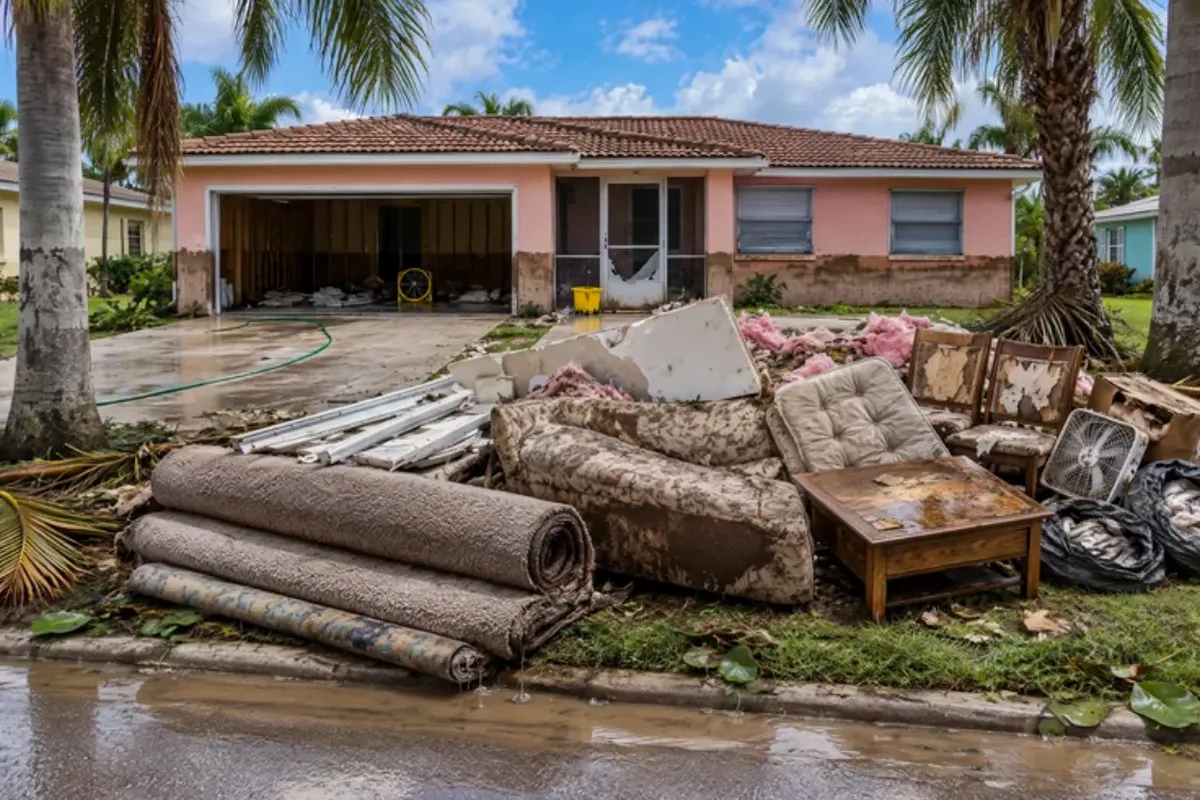
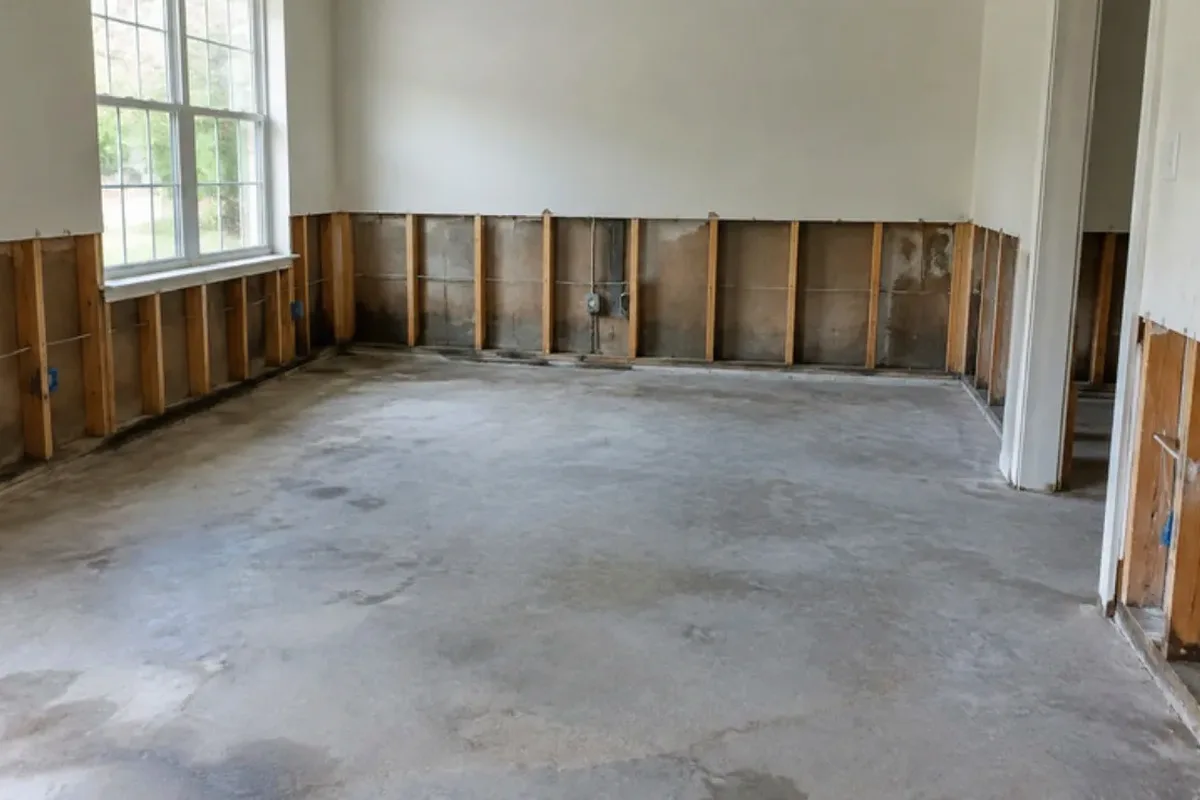
Running a wet vac across the floor is only a start. Water wicks into block walls, bottom plates and the back of drywall, and moisture meters show what is still wet. Call the number on this page to be connected with a local mold company in Prospect Heights.
Where to look in the first days
- Baseboards and the lowest strip of drywall
- Carpet pad and its underside
- Insulation inside lower wall cavities
- Cardboard boxes and furniture feet
- Corners behind the water heater and washer
Anything damp after two days deserves a closer look with a flashlight.
Backups through the floor drain
When the municipal line surges or a private lateral clogs with roots, wastewater rises through basement drains. Companies handle this contaminated water more carefully than a clean leak and usually remove porous materials it touched, since those cannot be cleaned reliably. Ask which category your water fell into.
Low lots near a waterway often see seepage even without a major flood. After heavy rain, check the lowest floor for dampness, odor and white mineral staining.
Clean, gray or contaminated
Restoration companies sort water into categories, and the category changes the method. River or sewer water calls for removing porous materials and adding cleaning steps, which means more labor. Ask the company to explain the category it assigned and why, preferably with photos of each removal item.
Permits and license checks in Prospect Heights
Illinois' Home Repair and Remodeling Act calls for a written contract or work order on jobs over $1,000, listing the contractor's business name and address and the total cost, with parts and materials described.
Keep the inspection report, the scope of work and any clearance results together; buyers, landlords and insurers often ask for them later.
Remediation itself is cleanup, but putting the room back together can be permitted work; ask the contractor whether the City of Prospect Heights needs to be involved.
Water that came in from outside raises insurance questions; FEMA's flood map search shows whether the property sits in a mapped flood zone.
Calls from Prospect Heights are often matched with companies that also cover Mount Prospect, Wheeling and Arlington Heights.
Keeping dust out of the upstairs
Opening wet walls can stir up dust and spores, so companies often hang plastic sheeting, seal the work zone and exhaust air outside. Ask how they will protect living areas, whether furnace returns will be covered, how the sheeting comes down and when the equipment will be switched off.
Guarding against sewer backup
A backwater valve or an overhead sewer conversion can keep wastewater from rising into the house, and a plumber can tell you what fits your home. Keep floor drains clear and keep grease out of the line, especially during rainy stretches, and ask a plumber to inspect the lateral if roots are a concern.
Storm & Flood Mold Removal questions in Prospect Heights
My sump pump quit during the storm. What now?
How long does a flooded basement take to dry?
Should the air be tested after a flood?
How is flood damage different from a pipe leak?
More mold services in Prospect Heights
Storm & Flood Mold Removal nearby
Helpful guides
Sources
Last updated: