Mold can start on soaked drywall, carpet, insulation and wood within a day or two of flooding. EPA advises drying wet materials within 24 to 48 hours, and porous items that stay moldy generally have to come out. Call the number on this page to be connected with a local mold company in Lombard.
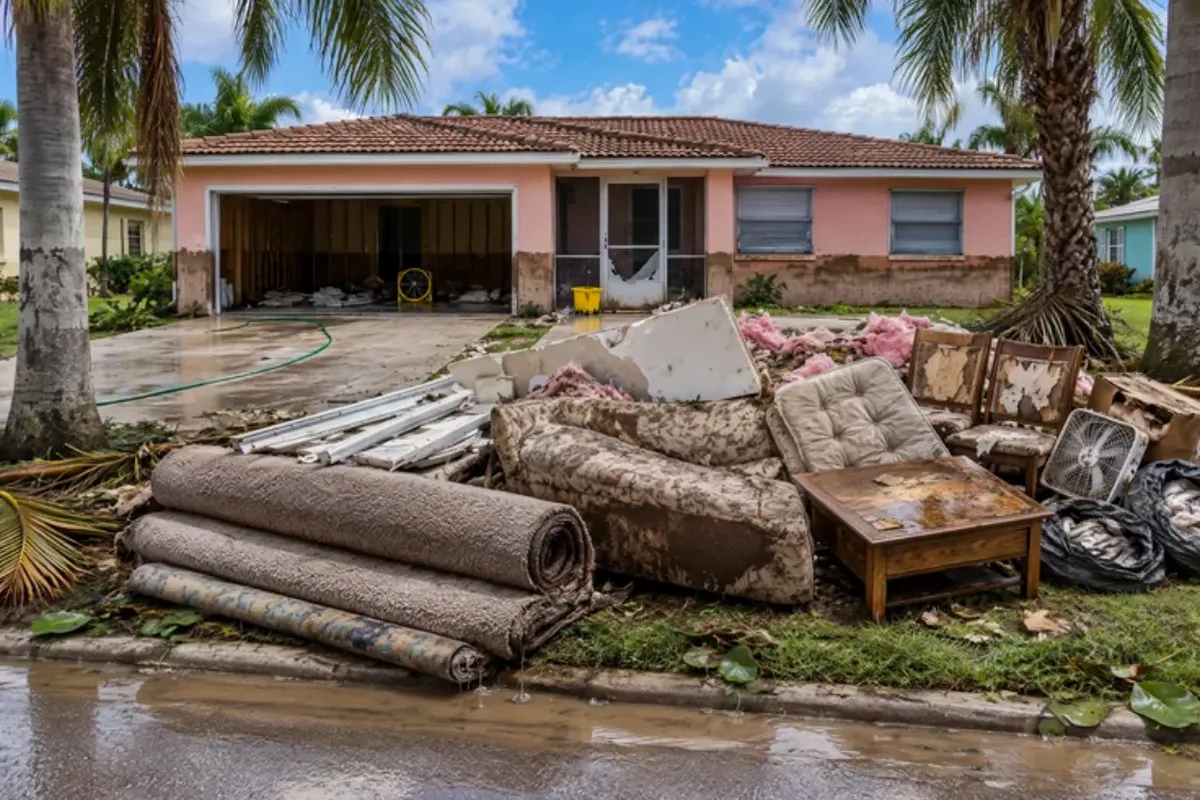
Walking back into a wet house
Confirm the electrical panel and outlets are safe before stepping into standing water, then document everything. Once water is out, open windows if weather permits and begin drying. If anything still feels damp after a day or two, ask about mold. Safety comes before salvage.
Grading, gutters and window wells
Soil that slopes toward the house, downspouts dumping at the foundation and uncovered window wells without drains all steer water into the basement. Correcting them changes where storm water goes, and often decides whether the dampness returns. Even small grading changes help, and they often cost far less than the damage they prevent.
Items that move the price
- Water type and depth
- Hours or days it sat
- Finished or bare lower level
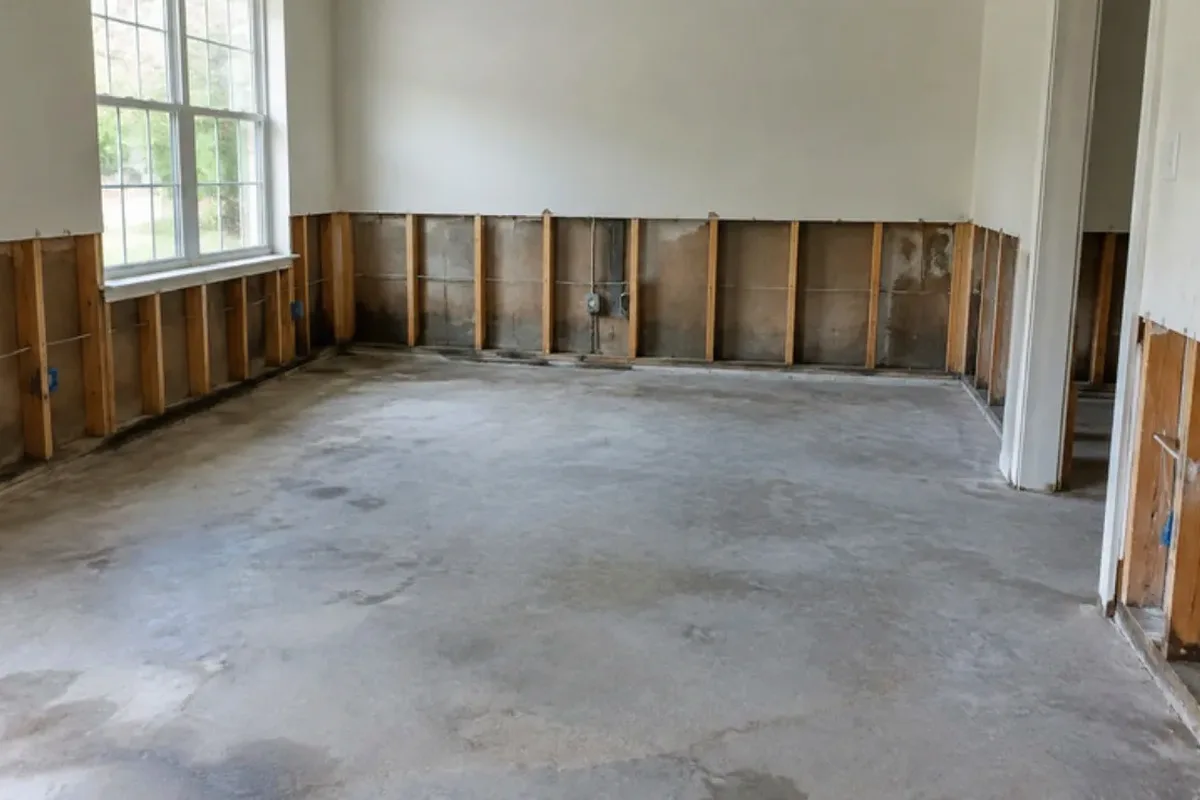
- Amount of drywall, carpet and insulation to remove
- Equipment days and disposal
A written scope shows which apply to your house and how each is priced, so you can see what drives the total.
Who handles what in Lombard
Before signing, ask the remediation company for its IDPH mold remediation registration and a written scope that covers containment, removal and the final check. The Illinois Attorney General takes consumer complaints about home repair contractors.
Keep the inspection report, the scope of work and any clearance results together; buyers, landlords and insurers often ask for them later.
Rebuild work after the mold comes out, such as new drywall or framing, may need a permit; the Village of Lombard is where to ask for Lombard addresses.
For flood zone questions after a heavy rain, FEMA's flood maps and your insurance agent can confirm the mapped zone for an address.
Companies that take calls here usually also work in Villa Park, Glen Ellyn and Elmhurst.
The usual order of work
- Make the space safe and stop incoming water
- Pump out standing water
- Remove materials that cannot be saved
- Dry framing and masonry
- Clean surfaces
- Recheck moisture readings
Skipping the last step is how damp spots get sealed into walls, so ask to see the final numbers.
Address drainage, not only damage
If the same basement floods every few storms, bring in a waterproofing or drainage contractor. Regrading, interior drain tile or a better pump setup tackles the cause. Cleaning without fixing the entry point simply readies the house for the next round of water.
Storm & Flood Mold Removal questions in Lombard
Does homeowners insurance cover flood mold?
What should I throw away after basement flooding?
How long does a flooded basement take to dry?
How much does flood mold cleanup cost?
More mold services in Lombard
Storm & Flood Mold Removal nearby
Helpful guides
Sources
Last updated: