The storm that overloads local sewers often knocks out power and the sump pump too, so basements fill just when help is hardest to reach. Pump out what you safely can, then call early. Call the number on this page to be connected with a local mold company in Franklin Park.
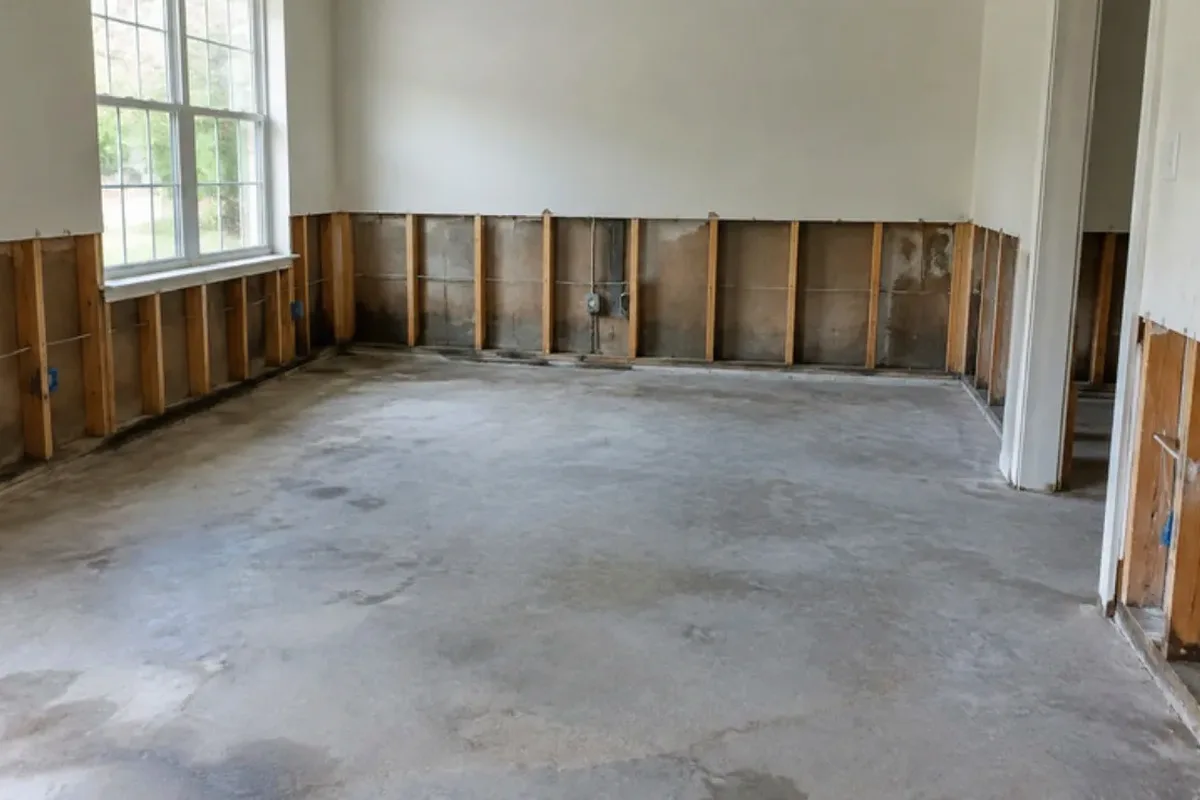
Smell without any visible growth
A strong odor with nothing showing often means growth sits behind paneling, under flooring or inside insulation. EPA notes that sampling usually is not needed when mold is visible, so the useful question becomes how far moisture traveled. Moisture meters answer that better than eyesight.
Sump pump and ejector failures
A pump may quit from a power outage, a stuck float, a blocked discharge line or plain age, often at the worst time. When it stops mid-storm, the pit spills over and the floor floods. Battery backups help only when maintained. Outages often arrive with the rain.
Close to a river or creek, Franklin Park basements can take water from below as well as above. Plan on fans and dehumidifiers running long after the visible water is gone.
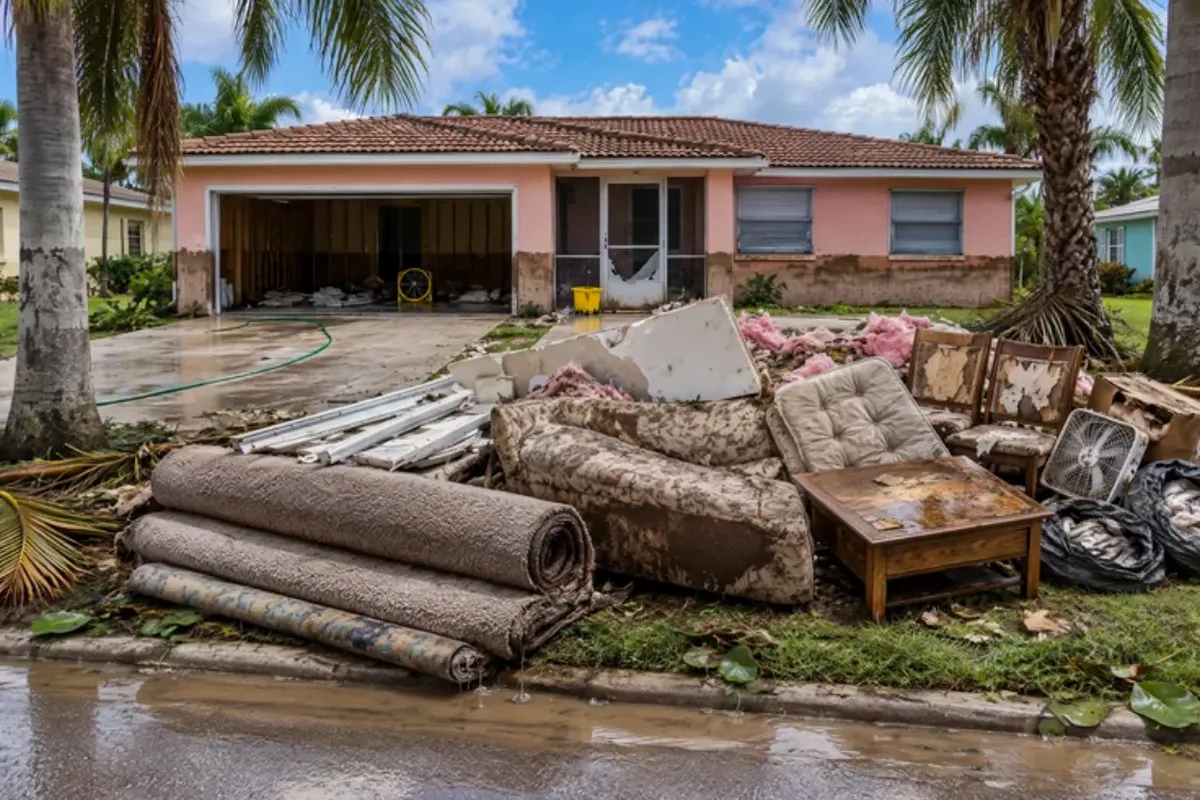
Save it or tear it out
Concrete, framing and many hard surfaces can be dried and cleaned. Carpet, pad, insulation and drywall that stayed wet are usually removed. The more that can be saved, the lower the total, which is why speed matters so much. Ask which items are in each group, and have the company mark them so you can compare against the adjuster's list.
Keeping dust out of the upstairs
Opening wet walls can stir up dust and spores, so companies often hang plastic sheeting, seal the work zone and exhaust air outside. Ask how they will protect living areas, whether furnace returns will be covered, how the sheeting comes down and when the equipment will be switched off.
Tenants and shared buildings
Renters should tell the landlord in writing right away and keep copies. In courtyard buildings, two-flats and townhomes, water often crosses shared walls and floors. Prompt notice and clear photos protect you and move the cleanup along for every unit involved, so send them the same day.
Before work starts in Franklin Park
The Illinois Department of Public Health says a clean-up plan that doesn't deal with the underlying moisture problem will fail, and it doesn't recommend testing when you can already see or smell mold.
Ask whether the company that removes the mold will also test its own work. Many owners prefer an independent assessor for clearance.
Rebuild work after the mold comes out, such as new drywall or framing, may need a permit; the Village of Franklin Park is where to ask for Franklin Park addresses.
For flood zone questions after a heavy rain, FEMA's flood maps and your insurance agent can confirm the mapped zone for an address.
Nearby, the same kind of help is available in Melrose Park, Schiller Park and Stone Park.
Storm & Flood Mold Removal questions in Franklin Park
Does homeowners insurance cover flood mold?
Is bleach good for flood mold?
Should the air be tested after a flood?
How is flood damage different from a pipe leak?
More mold services in Franklin Park
Storm & Flood Mold Removal nearby
Helpful guides
Sources
Last updated: