Find out how the water got in, whether a window well, a floor drain, a cracked wall or a pump, and correct it. Otherwise drying and cleaning only buy time until the next hard rain. Call the number on this page to be connected with a local mold company in La Grange.
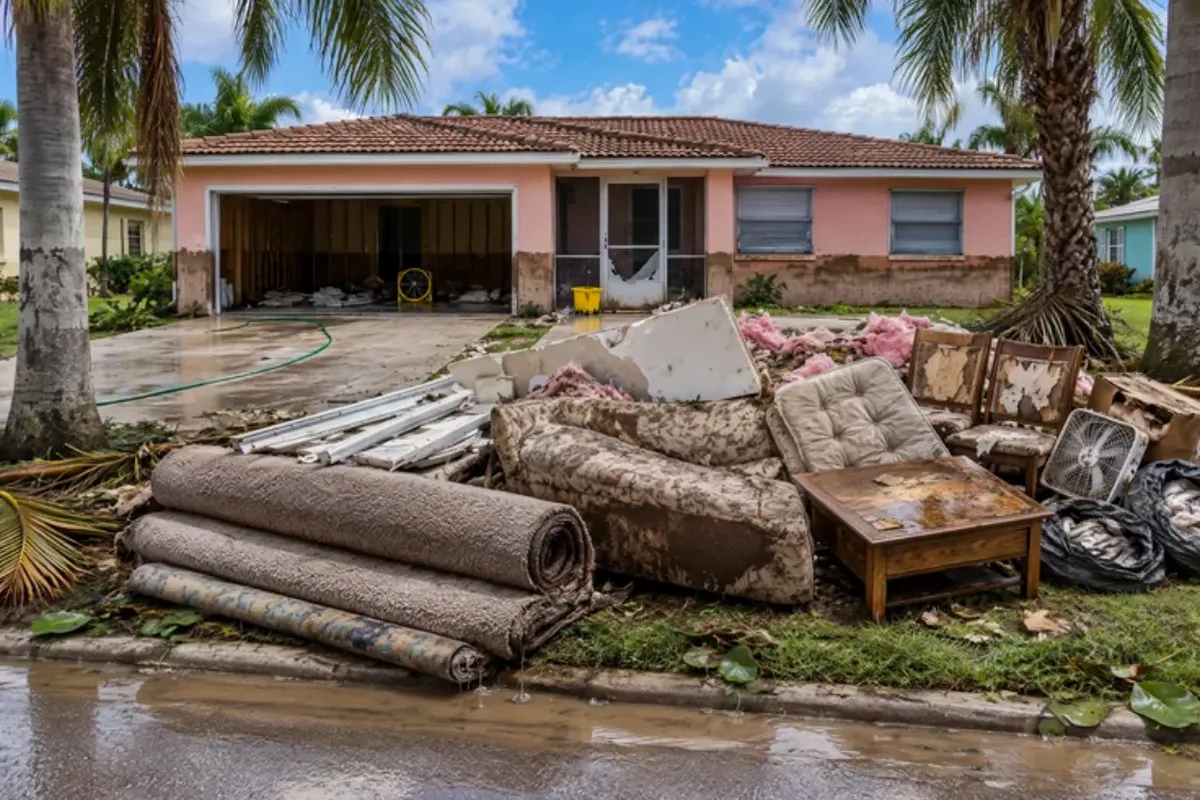
Smell without any visible growth
A strong odor with nothing showing often means growth sits behind paneling, under flooring or inside insulation. EPA notes that sampling usually is not needed when mold is visible, so the useful question becomes how far moisture traveled. Moisture meters answer that better than eyesight.
Grading, gutters and window wells
Soil that slopes toward the house, downspouts dumping at the foundation and uncovered window wells without drains all steer water into the basement. Correcting them changes where storm water goes, and often decides whether the dampness returns. Even small grading changes help, and they often cost far less than the damage they prevent.
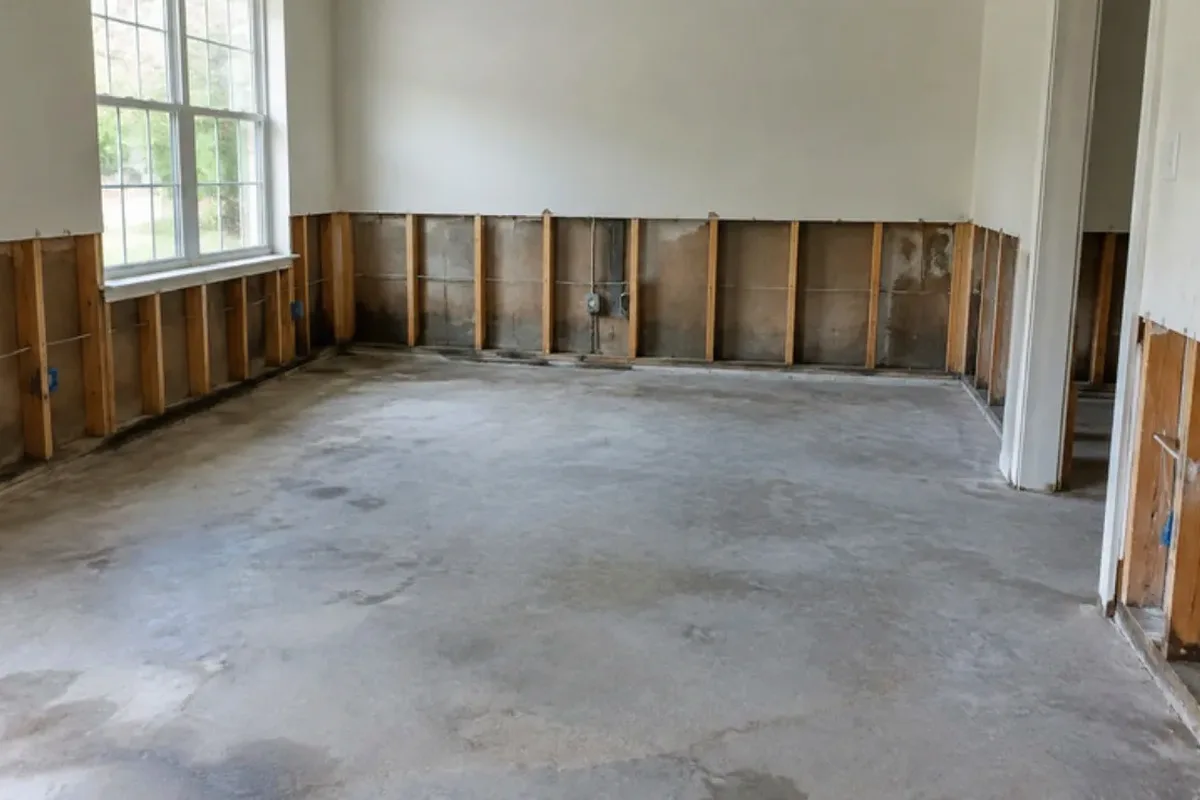
Layout and access matter
A walkout lower level with open framing is easier to dry than one with plaster, paneling and a drop ceiling. Narrow stairs, low headroom and cramped corners add labor and time on site. Ask the company what it will need to reach and move, and whether furniture or stored items must be cleared first.
Information to have ready
Gather the storm date, photos of the water line, your insurer's claim number and the name of anyone who already pumped or cleaned. A list of what was stored down there helps the company judge what soaked through. Set aside time to walk the space with them and point out where water stood and where it entered.
A smell that returns
An odor that fades, then comes back on muggy days, suggests moisture remains in walls or beneath flooring. Hold off on closing walls or laying new floors until readings show the structure is dry. A meter on the surface tells you more than your nose, and a quick reading takes the company only a moment.
Local details for La Grange
Illinois' Home Repair and Remodeling Act calls for a written contract or work order on jobs over $1,000, listing the contractor's business name and address and the total cost, with parts and materials described.
Some owners hire one independent company for the inspection and clearance check and a different company for the cleanup, so the business judging the result isn't the one that did the work.
Rebuild work after the mold comes out, such as new drywall or framing, may need a permit; the Village of La Grange is where to ask for La Grange addresses.
If river, creek or storm water got inside, FEMA's flood map service and your insurer can tell you how the address is zoned.
Companies that take calls here usually also work in Berwyn, Western Springs and La Grange Park.
Storm & Flood Mold Removal questions in La Grange
What should I throw away after basement flooding?
Is sewer backup water handled differently?
Can I clean flood mold myself?
How soon should I call after the water is gone?
More mold services in La Grange
Storm & Flood Mold Removal nearby
Helpful guides
Sources
Last updated: