Growth after a storm may take several days to appear, so a basement that looks fine on day one can still have wet walls. A musty smell that lingers is reason enough to check. Call the number on this page to be connected with a local mold company in Northbrook.
Where DIY ends
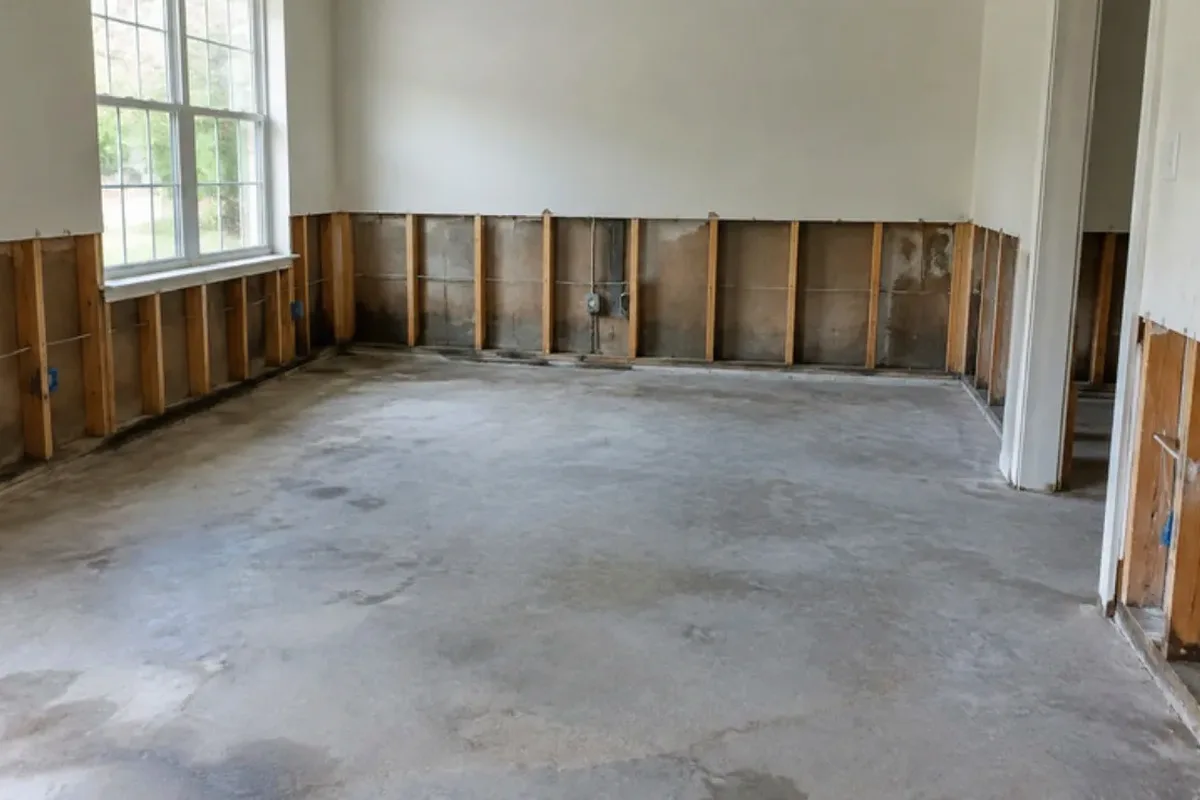
EPA indicates a homeowner can usually take on an area under about 10 square feet. When the water reached wall cavities, covered most of a room or rose through a sewer line, the scope is larger and the soaked materials generally need removal by a professional.
Backups through the floor drain
When the municipal line surges or a private lateral clogs with roots, wastewater rises through basement drains. Companies handle this contaminated water more carefully than a clean leak and usually remove porous materials it touched, since those cannot be cleaned reliably. Ask which category your water fell into.
Why two quotes differ
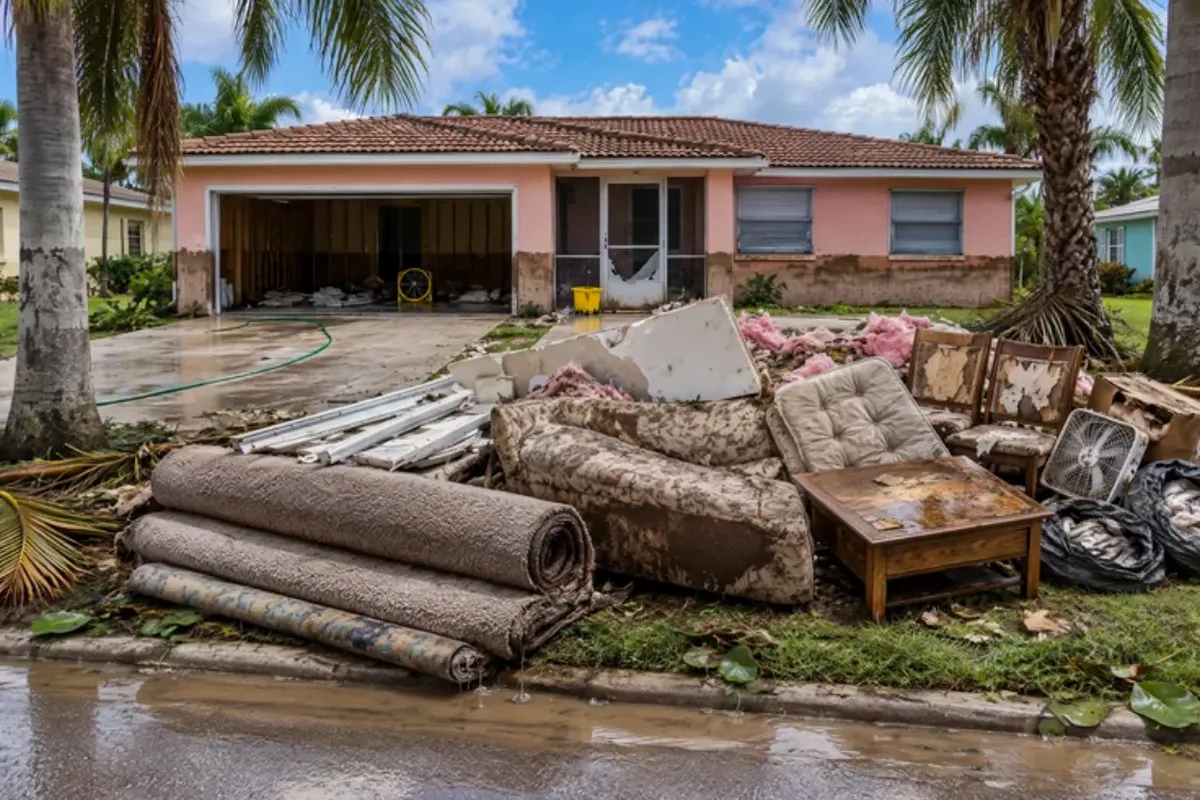
One company may plan more tear-out while another allows more drying days. Containment, air filtration and disposal fees may be counted in different places. Ask each to walk through the scope room by room and compare line items, since totals alone can hide the difference. A lower number may simply leave out a task.
Local details for Northbrook
To register with the Illinois Department of Public Health, a mold remediation provider has to show third-party certification and financial responsibility. A business that only inspects or tests for mold doesn't need that registration.
Keep the inspection report, the scope of work and any clearance results together; buyers, landlords and insurers often ask for them later.
Rebuild work after the mold comes out, such as new drywall or framing, may need a permit; the Village of Northbrook is where to ask for Northbrook addresses.
Water that came in from outside raises insurance questions; FEMA's flood map search shows whether the property sits in a mapped flood zone.
Nearby, the same kind of help is available in Glenview, Deerfield and Glencoe.
Arrival and walkthrough
The company asks where the water came from and how long it stood, then walks the house with moisture meters and sometimes a thermal camera. It explains what can be dried, what must come out and how far the work will reach. Request a short summary at the end.
Watch the humidity number
EPA suggests indoor humidity below about 60 percent, ideally between 30 and 50. A basic hygrometer shows where your basement stands. After flooding, keeping a dehumidifier running for a week or longer confirms the space is actually drying out. Write the readings down each day.
Storm & Flood Mold Removal questions in Northbrook
Who removes mold after a flood?
Does homeowners insurance cover flood mold?
What should I throw away after basement flooding?
Is sewer backup water handled differently?
More mold services in Northbrook
Storm & Flood Mold Removal nearby
Helpful guides
Sources
Last updated: