Growth after a storm may take several days to appear, so a basement that looks fine on day one can still have wet walls. A musty smell that lingers is reason enough to check. Call the number on this page to be connected with a local mold company in Skokie.
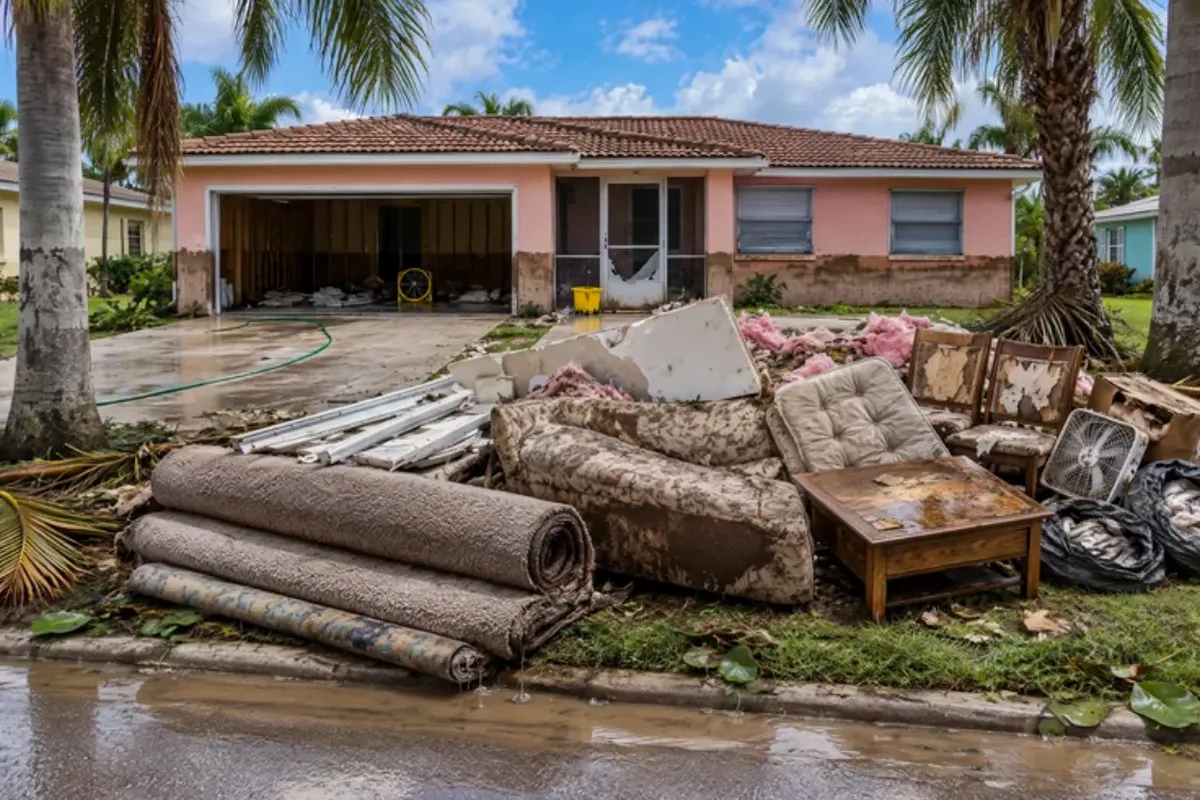
Where to look in the first days
- Baseboards and the lowest strip of drywall
- Carpet pad and its underside
- Insulation inside lower wall cavities
- Cardboard boxes and furniture feet
- Corners behind the water heater and washer
Anything damp after two days deserves a closer look with a flashlight.
Sump pump and ejector failures
A pump may quit from a power outage, a stuck float, a blocked discharge line or plain age, often at the worst time. When it stops mid-storm, the pit spills over and the floor floods. Battery backups help only when maintained. Outages often arrive with the rain.
Homes put up in the 1950s frequently have basements that were never waterproofed. After a big rain, damp walls and slab seepage are common, so check for stains and odors.
Close to a river or creek, Skokie basements can take water from below as well as above. Plan on fans and dehumidifiers running long after the visible water is gone.
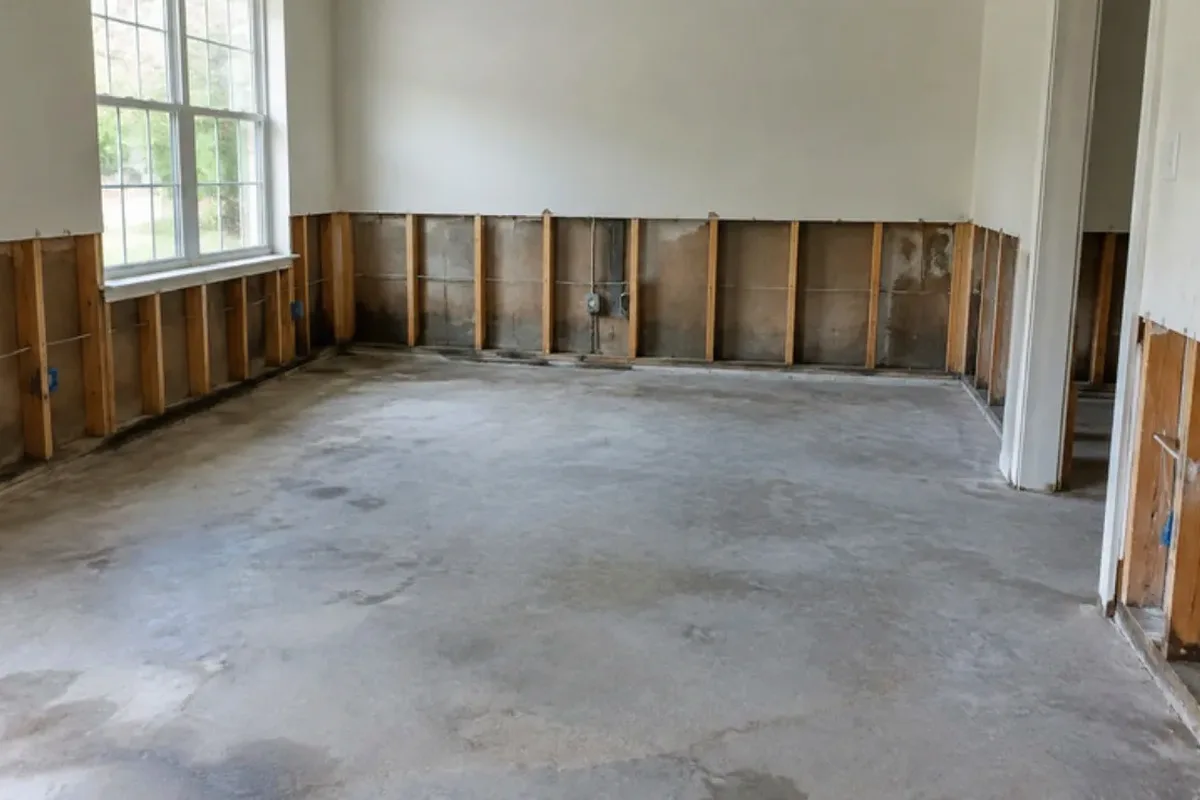
What sets the scope after flooding
The kind of water, its depth, how long it stood and what it touched drive the job. Clean rainwater in a bare basement is a modest drying task. Sewage in a finished basement calls for removal, cleaning and a much larger scope. Ask which water category applies.
Information to have ready
Gather the storm date, photos of the water line, your insurer's claim number and the name of anyone who already pumped or cleaned. A list of what was stored down there helps the company judge what soaked through. Set aside time to walk the space with them and point out where water stood and where it entered.
Permits and license checks in Skokie
Illinois asks mold remediation companies to register with the Illinois Department of Public Health under the Mold Remediation Registration Act. Ask for that registration before cleanup starts; IDPH does not license people who only do mold assessments or testing.
Some owners hire one independent company for the inspection and clearance check and a different company for the cleanup, so the business judging the result isn't the one that did the work.
Rebuild work after the mold comes out, such as new drywall or framing, may need a permit; the Village of Skokie is where to ask for Skokie addresses.
Water that came in from outside raises insurance questions; FEMA's flood map search shows whether the property sits in a mapped flood zone.
Calls from Skokie are often matched with companies that also cover Morton Grove, Lincolnwood and Golf.
Document as you go
Take dated photos of the water line, damaged belongings and each step of cleanup. Save receipts for equipment rental, hauling and repairs. Good records support the insurance claim and tell a mold company how long materials stayed wet. Keep everything in one folder.
More about Skokie
Calls come in from across Skokie, including around Old Orchard (Westfield Old Orchard), Dempster Street, Oakton Street.
Most of Skokie's homes were built before 1970, so original basements and aging sewer connections are common.
Storm & Flood Mold Removal questions in Skokie
Does homeowners insurance cover flood mold?
Can I clean flood mold myself?
Is bleach good for flood mold?
How much does flood mold cleanup cost?
More mold services in Skokie
Storm & Flood Mold Removal nearby
Helpful guides
Sources
- Village of Skokie Community Development Department, Building & Zoning Division
- Village of Skokie Community Development Department, Building & Zoning Division: flood information
- Illinois Department of Public Health: mold remediation registration
- Illinois Department of Public Health: mold FAQs
- Illinois General Assembly: Home Repair and Remodeling Act
- EPA: A Brief Guide to Mold, Moisture and Your Home
- Skokie housing by year built
Last updated: