Many homeowner policies handle sewer backup and rising-water flooding differently, and some exclude one or both without added coverage. Photograph everything before cleanup and ask your insurer early. Call the number on this page to be connected with a local mold company in Wood Dale.
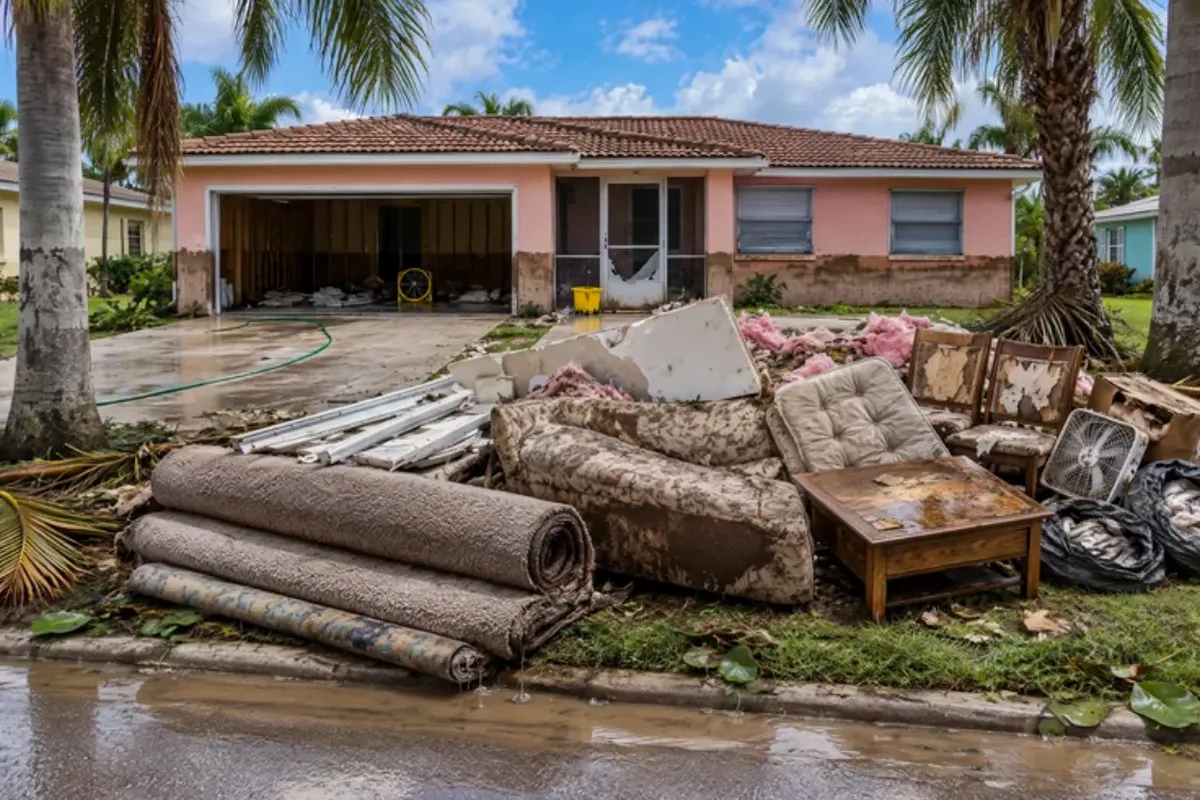
Where to look in the first days
- Baseboards and the lowest strip of drywall
- Carpet pad and its underside
- Insulation inside lower wall cavities
- Cardboard boxes and furniture feet
- Corners behind the water heater and washer
Anything damp after two days deserves a closer look with a flashlight.
Rain that lasts for days
Slow, steady spring and summer systems fill the soil until it cannot absorb more. Basements that stay dry through ordinary storms start seeping through the floor slab and wall joints, and the dampness lingers because the ground keeps feeding it. Duration matters as much as intensity.
Low lots near a waterway often see seepage even without a major flood. After heavy rain, check the lowest floor for dampness, odor and white mineral staining.
Local details for Wood Dale
The Illinois Department of Public Health says a clean-up plan that doesn't deal with the underlying moisture problem will fail, and it doesn't recommend testing when you can already see or smell mold.
Keep the inspection report, the scope of work and any clearance results together; buyers, landlords and insurers often ask for them later.
Check with the City of Wood Dale before walls, cabinets or flooring go back in if the work goes beyond cleanup.
If river, creek or storm water got inside, FEMA's flood map service and your insurer can tell you how the address is zoned.
Nearby, the same kind of help is available in Elmhurst, Itasca and Bensenville.
Quick action trims the bill
EPA advises drying wet materials within 24 to 48 hours. Meeting that window often means extraction, air movers and dehumidifiers rather than tear-out. Waiting lets mold set in, and then removal and cleaning replace simple drying. Prompt effort is the most useful tool you have, and it costs nothing but attention.
The usual order of work
- Make the space safe and stop incoming water
- Pump out standing water
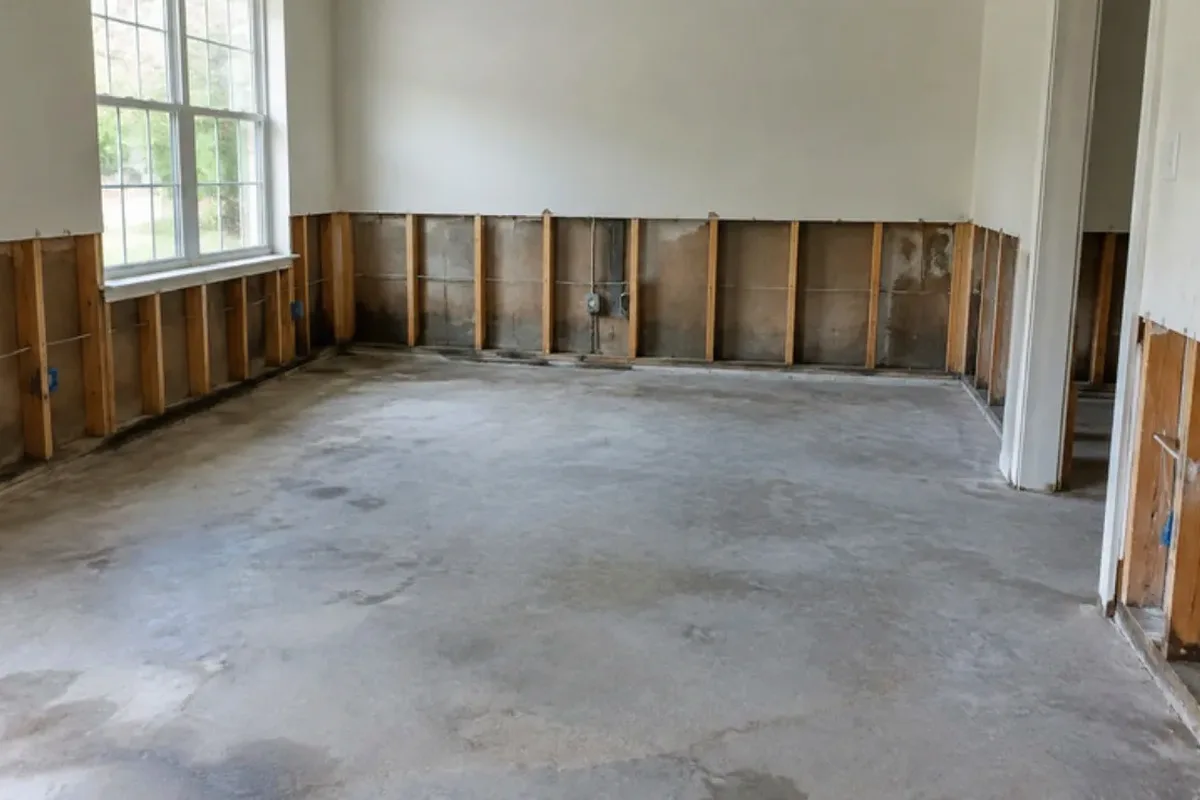
- Remove materials that cannot be saved
- Dry framing and masonry
- Clean surfaces
- Recheck moisture readings
Skipping the last step is how damp spots get sealed into walls, so ask to see the final numbers.
Mistakes to avoid
Do not run the furnace blower through a wet house, paint over a damp wall, seal a wet floor under new carpet or lean on bleach alone. EPA does not generally recommend biocides like bleach for routine cleanup. Remove moisture and soaked materials first, then clean. Fix the water source before anything else.
Storm & Flood Mold Removal questions in Wood Dale
Can I clean flood mold myself?
How soon should I call after the water is gone?
How much does flood mold cleanup cost?
Does living near a river or creek raise my risk?
More mold services in Wood Dale
Storm & Flood Mold Removal nearby
Helpful guides
Sources
Last updated: