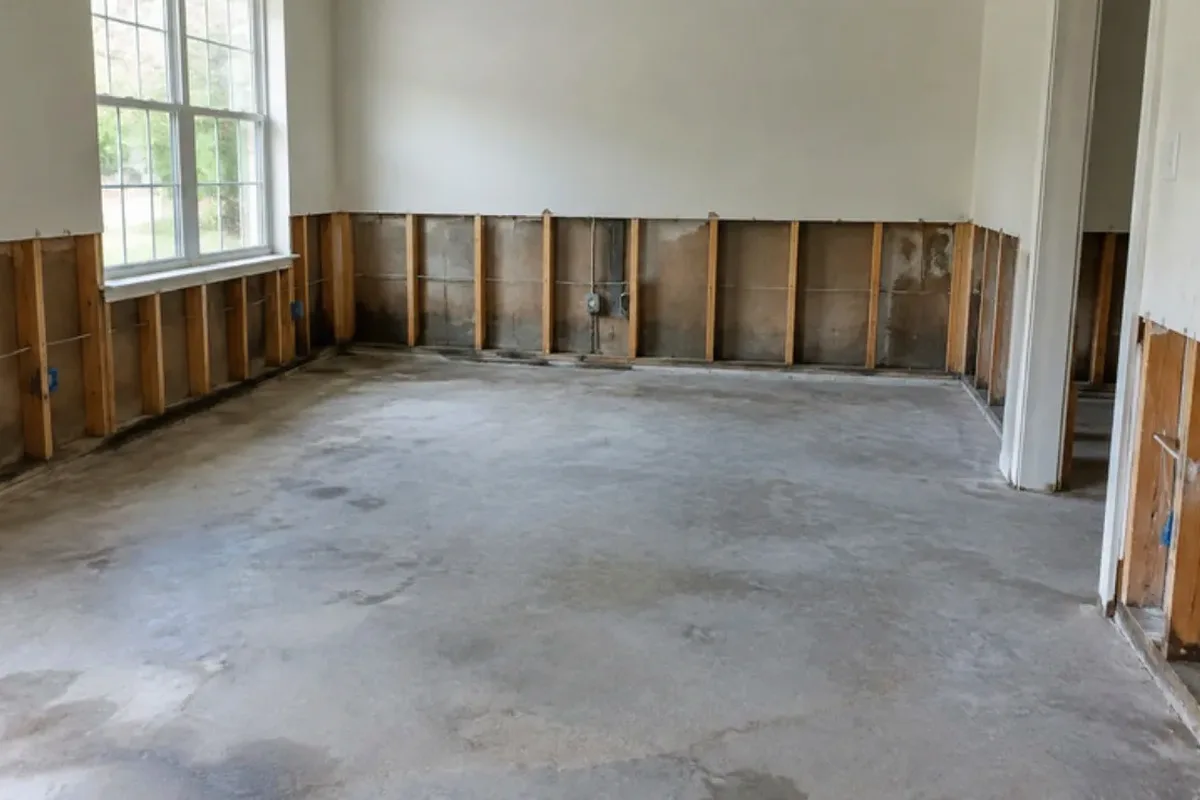
Running a wet vac across the floor is only a start. Water wicks into block walls, bottom plates and the back of drywall, and moisture meters show what is still wet. Call the number on this page to be connected with a local mold company in Lincolnshire.
Signs the flood left mold behind
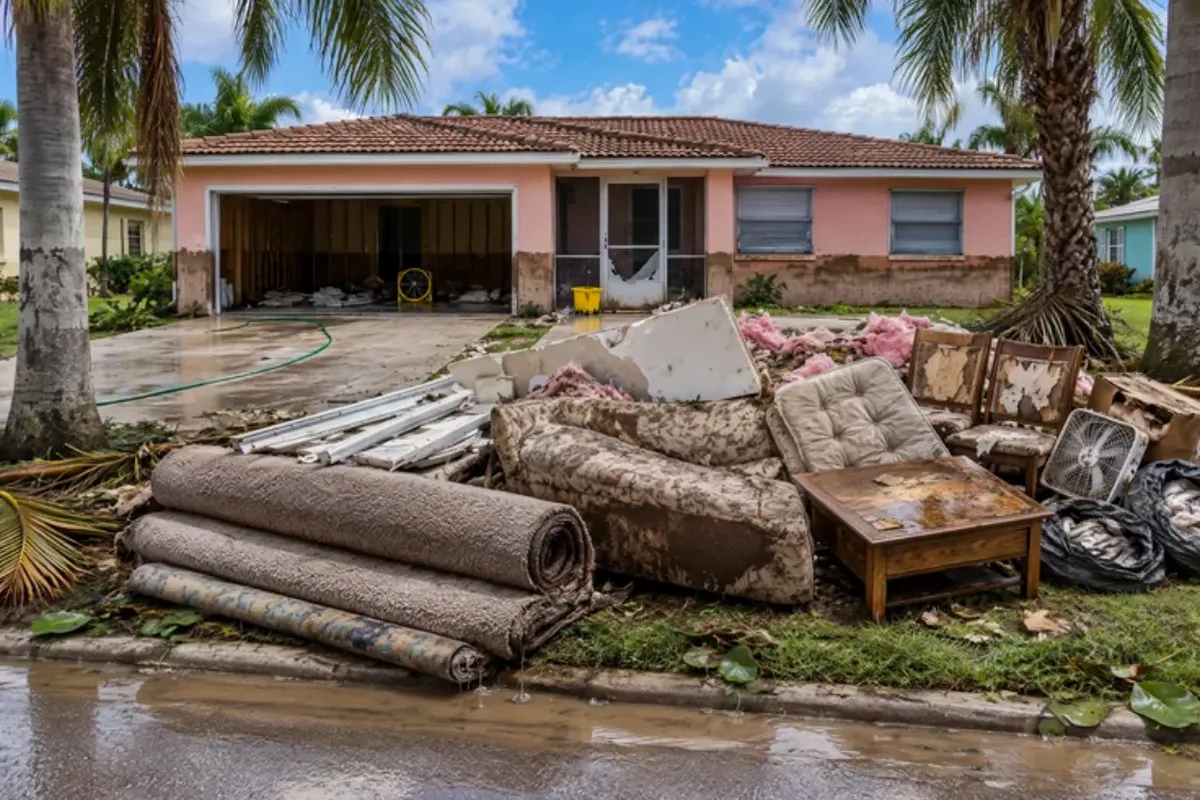
Watch for a musty odor that keeps returning, dark freckling low on the wall, drywall that turns soft or crumbly, paint bubbling near the floor and stains along carpet backing. Any of these means the structure has not dried, however dry the surface feels. Looks alone can mislead you.
Grading, gutters and window wells
Soil that slopes toward the house, downspouts dumping at the foundation and uncovered window wells without drains all steer water into the basement. Correcting them changes where storm water goes, and often decides whether the dampness returns. Even small grading changes help, and they often cost far less than the damage they prevent.
Close to a river or creek, Lincolnshire basements can take water from below as well as above. Plan on fans and dehumidifiers running long after the visible water is gone.
Why two quotes differ
One company may plan more tear-out while another allows more drying days. Containment, air filtration and disposal fees may be counted in different places. Ask each to walk through the scope room by room and compare line items, since totals alone can hide the difference. A lower number may simply leave out a task.
Information to have ready
Gather the storm date, photos of the water line, your insurer's claim number and the name of anyone who already pumped or cleaned. A list of what was stored down there helps the company judge what soaked through. Set aside time to walk the space with them and point out where water stood and where it entered.
Before work starts in Lincolnshire
The Illinois Department of Public Health says a clean-up plan that doesn't deal with the underlying moisture problem will fail, and it doesn't recommend testing when you can already see or smell mold.
Ask whether the company that removes the mold will also test its own work. Many owners prefer an independent assessor for clearance.
Rebuild work after the mold comes out, such as new drywall or framing, may need a permit; the Village of Lincolnshire is where to ask for Lincolnshire addresses.
For flood zone questions after a heavy rain, FEMA's flood maps and your insurance agent can confirm the mapped zone for an address.
Nearby, the same kind of help is available in Buffalo Grove, Vernon Hills and Lake Forest.
The first two days count most
Remove the water, open the space to air and start fans and a dehumidifier. Pull out soaked carpet, pad and anything that cannot dry. Growth can begin on wet material within a day or two, so each hour of drying helps. Do not wait and hope that it dries by itself, because wet material left in place rarely does.
Storm & Flood Mold Removal questions in Lincolnshire
What should I throw away after basement flooding?
Is sewer backup water handled differently?
Should the air be tested after a flood?
How much does flood mold cleanup cost?
More mold services in Lincolnshire
Storm & Flood Mold Removal nearby
Helpful guides
Sources
Last updated: