The storm that overloads local sewers often knocks out power and the sump pump too, so basements fill just when help is hardest to reach. Pump out what you safely can, then call early. Call the number on this page to be connected with a local mold company in Wilmette.
Signs the flood left mold behind
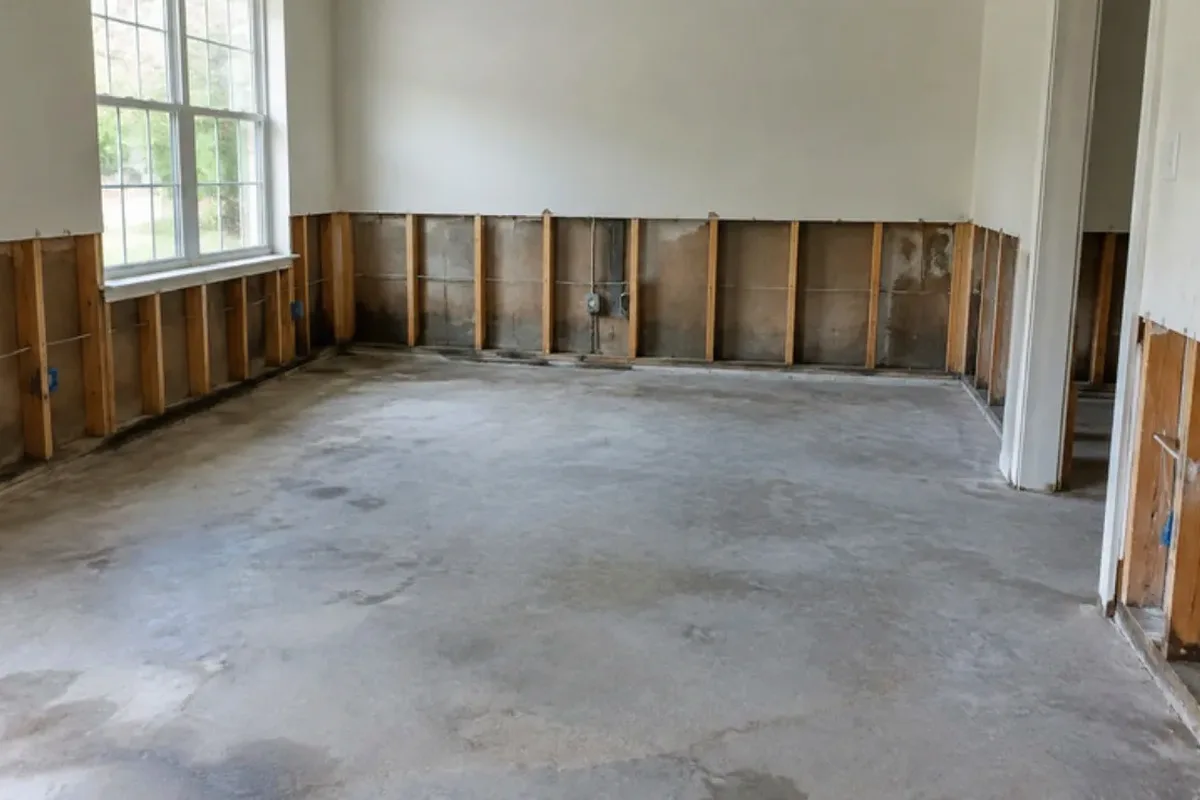
Watch for a musty odor that keeps returning, dark freckling low on the wall, drywall that turns soft or crumbly, paint bubbling near the floor and stains along carpet backing. Any of these means the structure has not dried, however dry the surface feels. Looks alone can mislead you.
Why a lived-in basement suffers more
Carpet, paneling, drywall and stored boxes soak up water and press it against masonry. Around Evanston, a finished lower level may look fine on top while studs and insulation stay wet for weeks behind the wall. Finishes tend to hide the evidence.
Homes near the Des Plaines, DuPage or Fox River, Salt Creek or the lakefront face higher water tables and real overbank flood risk. Ground stays saturated for days after the water drops, slowing drying.
Quick action trims the bill
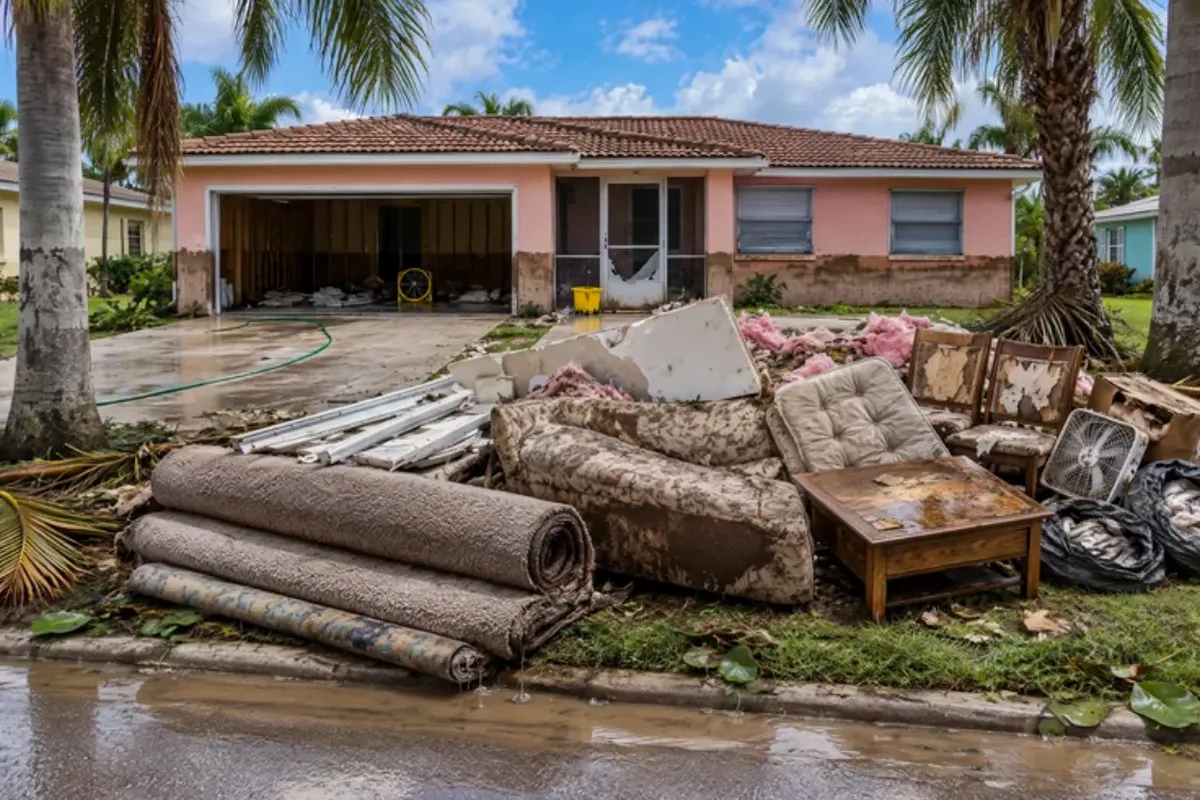
EPA advises drying wet materials within 24 to 48 hours. Meeting that window often means extraction, air movers and dehumidifiers rather than tear-out. Waiting lets mold set in, and then removal and cleaning replace simple drying. Prompt effort is the most useful tool you have, and it costs nothing but attention.
Arrival and walkthrough
The company asks where the water came from and how long it stood, then walks the house with moisture meters and sometimes a thermal camera. It explains what can be dried, what must come out and how far the work will reach. Request a short summary at the end.
Mistakes to avoid
Do not run the furnace blower through a wet house, paint over a damp wall, seal a wet floor under new carpet or lean on bleach alone. EPA does not generally recommend biocides like bleach for routine cleanup. Remove moisture and soaked materials first, then clean. Fix the water source before anything else.
Before work starts in Wilmette
Illinois asks mold remediation companies to register with the Illinois Department of Public Health under the Mold Remediation Registration Act. Ask for that registration before cleanup starts; IDPH does not license people who only do mold assessments or testing.
Ask whether the company that removes the mold will also test its own work. Many owners prefer an independent assessor for clearance.
If the job grows into replacing drywall, cabinets or framing, ask whether the rebuild needs a permit from the Village of Wilmette.
If river, creek or storm water got inside, FEMA's flood map service and your insurer can tell you how the address is zoned.
Companies that take calls here usually also work in Evanston, Kenilworth and Winnetka.
Storm & Flood Mold Removal questions in Wilmette
Who removes mold after a flood?
Is sewer backup water handled differently?
Should the air be tested after a flood?
Does living near a river or creek raise my risk?
More mold services in Wilmette
Storm & Flood Mold Removal nearby
Helpful guides
Sources
Last updated: