Order of work matters: stop the water, remove what is soaked, dry the structure, then clean. Fans and a dehumidifier help, yet saturated insulation and carpet pad are normally discarded. Call the number on this page to be connected with a local mold company in Highwood.
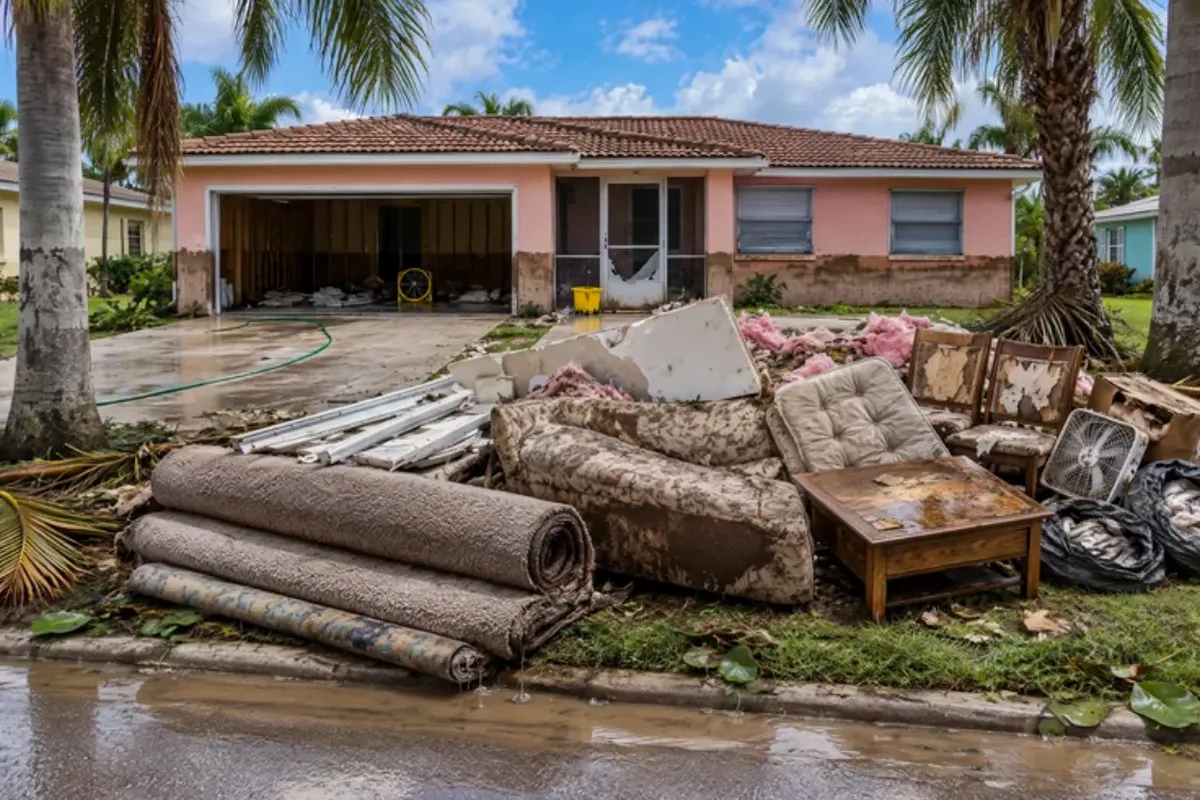
Sort belongings before the dumpster
Take pictures first, then sort. Upholstered furniture, mattresses and stuffed items that sat in contaminated water are normally thrown out. Solid wood, metal and hard plastic can frequently be cleaned. A company can weigh in on borderline pieces, and the adjuster may want to see the discards.
Snowmelt over frozen ground
A fast thaw after a heavy snowfall sends water toward the house because frozen soil will not absorb it. Gutters packed with ice and downspouts blocked by snow make it worse. Late winter is when plenty of basements first show seepage and that damp, stale odor.
Close to a river or creek, Highwood basements can take water from below as well as above. Plan on fans and dehumidifiers running long after the visible water is gone.
Items that move the price
- Water type and depth
- Hours or days it sat
- Finished or bare lower level
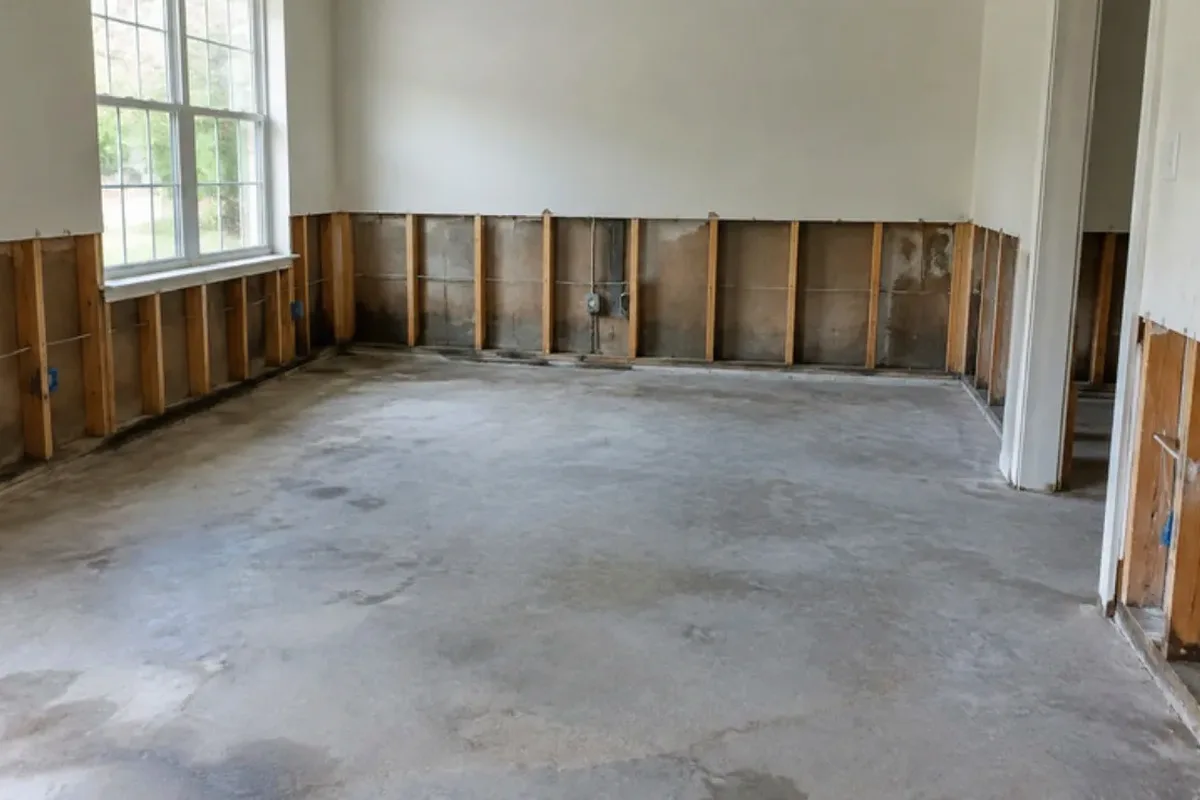
- Amount of drywall, carpet and insulation to remove
- Equipment days and disposal
A written scope shows which apply to your house and how each is priced, so you can see what drives the total.
Before work starts in Highwood
To register with the Illinois Department of Public Health, a mold remediation provider has to show third-party certification and financial responsibility. A business that only inspects or tests for mold doesn't need that registration.
Ask whether the company that removes the mold will also test its own work. Many owners prefer an independent assessor for clearance.
If the job grows into replacing drywall, cabinets or framing, ask whether the rebuild needs a permit from the City of Highwood.
If river, creek or storm water got inside, FEMA's flood map service and your insurer can tell you how the address is zoned.
Nearby, the same kind of help is available in Buffalo Grove, Highland Park and Lake Forest.
Arrival and walkthrough
The company asks where the water came from and how long it stood, then walks the house with moisture meters and sometimes a thermal camera. It explains what can be dried, what must come out and how far the work will reach. Request a short summary at the end.
Tenants and shared buildings
Renters should tell the landlord in writing right away and keep copies. In courtyard buildings, two-flats and townhomes, water often crosses shared walls and floors. Prompt notice and clear photos protect you and move the cleanup along for every unit involved, so send them the same day.
Storm & Flood Mold Removal questions in Highwood
What should I throw away after basement flooding?
Is sewer backup water handled differently?
Should the air be tested after a flood?
Does living near a river or creek raise my risk?
More mold services in Highwood
Storm & Flood Mold Removal nearby
Helpful guides
Sources
Last updated: