Mold inside a wall can go unnoticed until a smell, a dark patch or a spongy baseboard finally gives it away. A local company can follow the dampness to its edge and explain what has to come out. Call the number on this page to be connected with a local mold company in Glenview.
A Small Blemish, a Larger Wet Zone
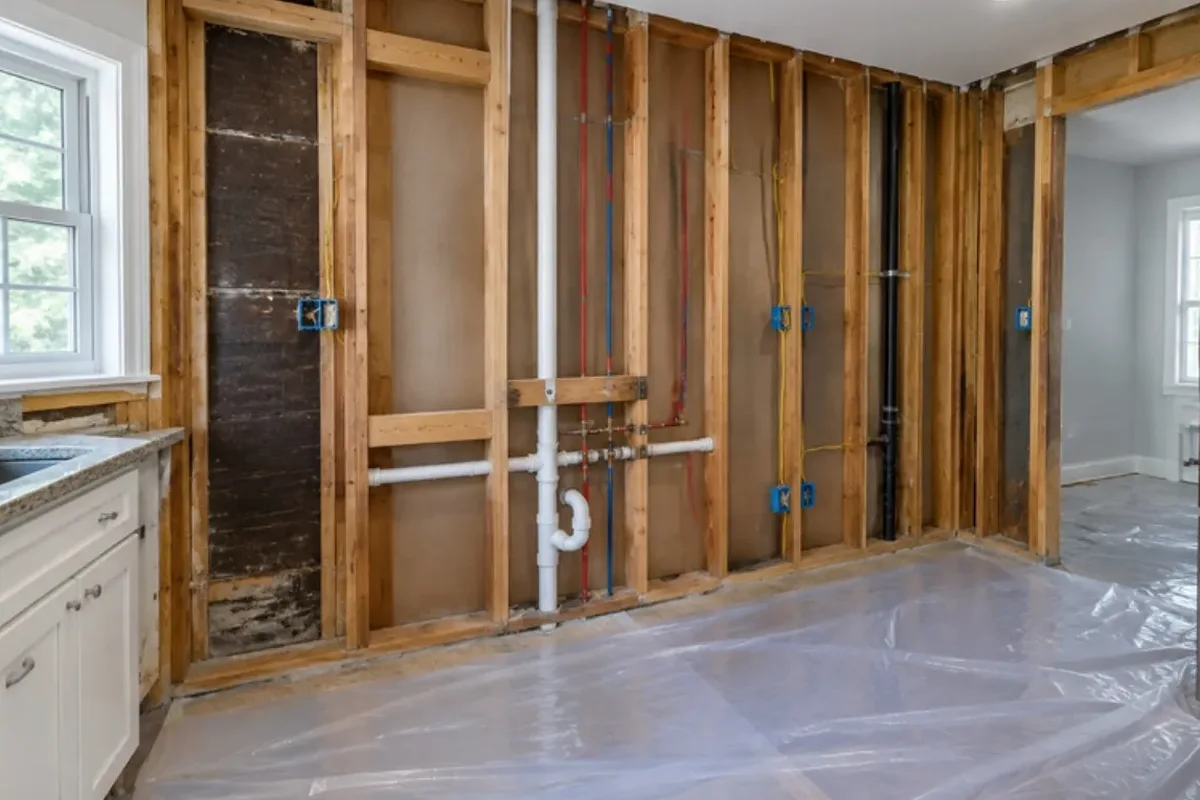
A coin-sized mark can be the visible edge of a much bigger damp area, since water follows studs, lath and the bottom plate. Next to a pipe run or window, treat any mark as a lead instead of a cosmetic flaw and mention it when you call.
Plaster over Lath
Older homes in this part of Cook County often have plaster over wood lath instead of drywall. Plaster tolerates moisture for a time, then blisters, crumbles or traps dampness against the lath, so mold can grow behind it with very little outward sign.
Because so much of Glenview was built in the 1970s, earlier patching and aged framing turn up often. Taking readings before cutting keeps any opening exactly where it belongs.
Waterside exposure keeps damp air against foundation and first-floor walls, so a quick response to any leak matters more here for keeping mold from settling in.
Who handles what in Glenview
Before signing, ask the remediation company for its IDPH mold remediation registration and a written scope that covers containment, removal and the final check. The Illinois Attorney General takes consumer complaints about home repair contractors.
Keep the inspection report, the scope of work and any clearance results together; buyers, landlords and insurers often ask for them later.
Rebuild work after the mold comes out, such as new drywall or framing, may need a permit; the Village of Glenview is where to ask for Glenview addresses.
For flood zone questions after a heavy rain, FEMA's flood maps and your insurance agent can confirm the mapped zone for an address.
Companies that take calls here usually also work in Golf, Morton Grove and Northbrook.
Insurance and Paperwork
If a sudden leak caused the damage, a claim may be possible, and dated photos with written readings help. Policies treat mold in different ways, so talk with your agent before work starts. Keep receipts and the company's written scope together in one folder.
Finding What You Cannot See
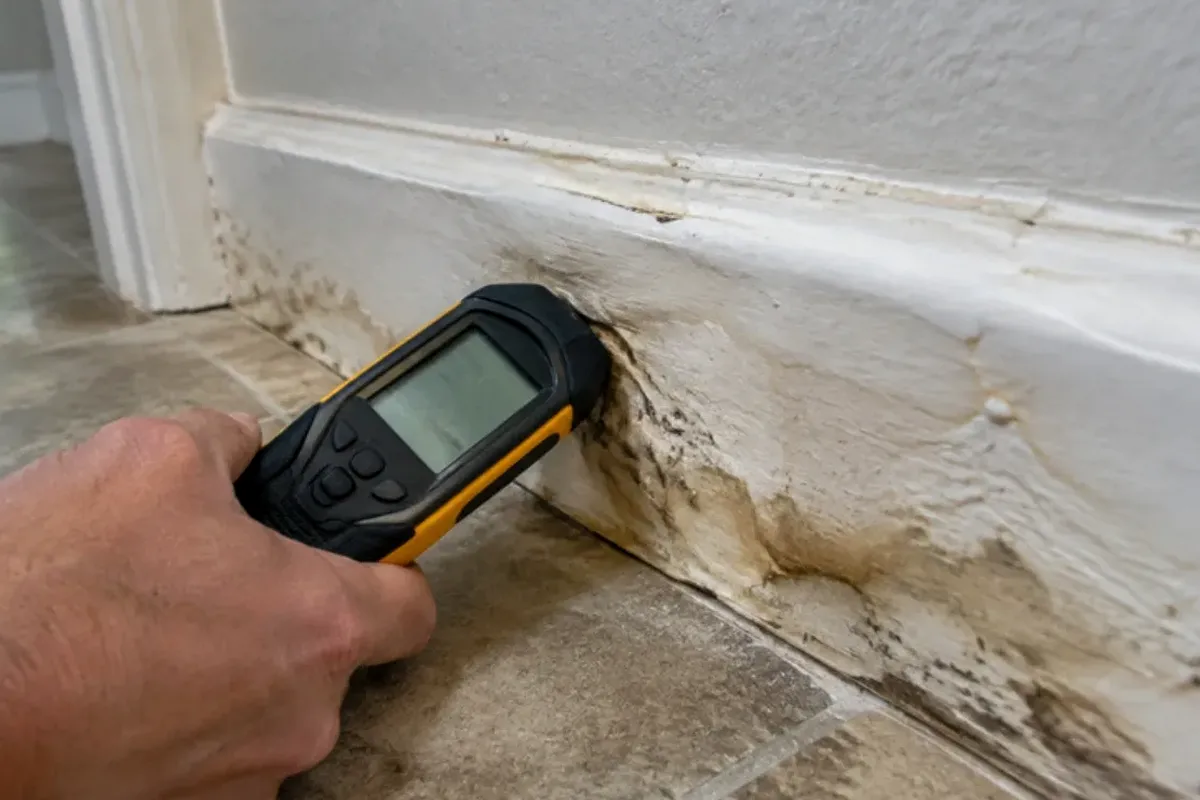
The visit usually begins with a moisture meter held against the wall, often followed by a thermal camera that shows cooler, wetter patches. The camera cannot detect mold; it only shows temperature contrast. Those readings decide where a small opening goes to confirm the cause.
Spring and Fall Are for Inspecting
Mild seasons are a good time to walk the house, look at the roof edge, gutters, window caulk and exterior mortar, and press the lowest part of interior walls. Small repairs then cost far less than a tear-out after a wet summer or a hard winter.
Glenview at a glance
Calls come in from across Glenview, including around Downtown Glenview, The Glen Town Center, The Grove National Historic Landmark.
Mold in Walls questions in Glenview
What role does a thermal camera play?
What exactly is an inspection hole?
Does Illinois oversee mold remediation companies?
Does living close to a river or creek matter?
More mold services in Glenview
Mold in Walls nearby
Helpful guides
Sources
- Village of Glenview Development Center (Inspectional Services Division)
- Illinois Department of Public Health: mold remediation registration
- Illinois Department of Public Health: mold FAQs
- Illinois General Assembly: Home Repair and Remodeling Act
- EPA: A Brief Guide to Mold, Moisture and Your Home
- Glenview housing by year built
Last updated: