Large or hidden jobs benefit most, but small ones can too. A written result gives a buyer or a tenant something to read instead of a spoken assurance. Call the number on this page to be connected with a local mold company in Glenview.
Not the same as a first look
An initial inspection hunts for trouble. Clearance has a narrower job: it tests whether the exact problem named in the plan is gone. Since it follows the earlier findings and scope, it tends to be shorter than a whole-house survey, though the two work well together on one project.
Starting with a visual pass
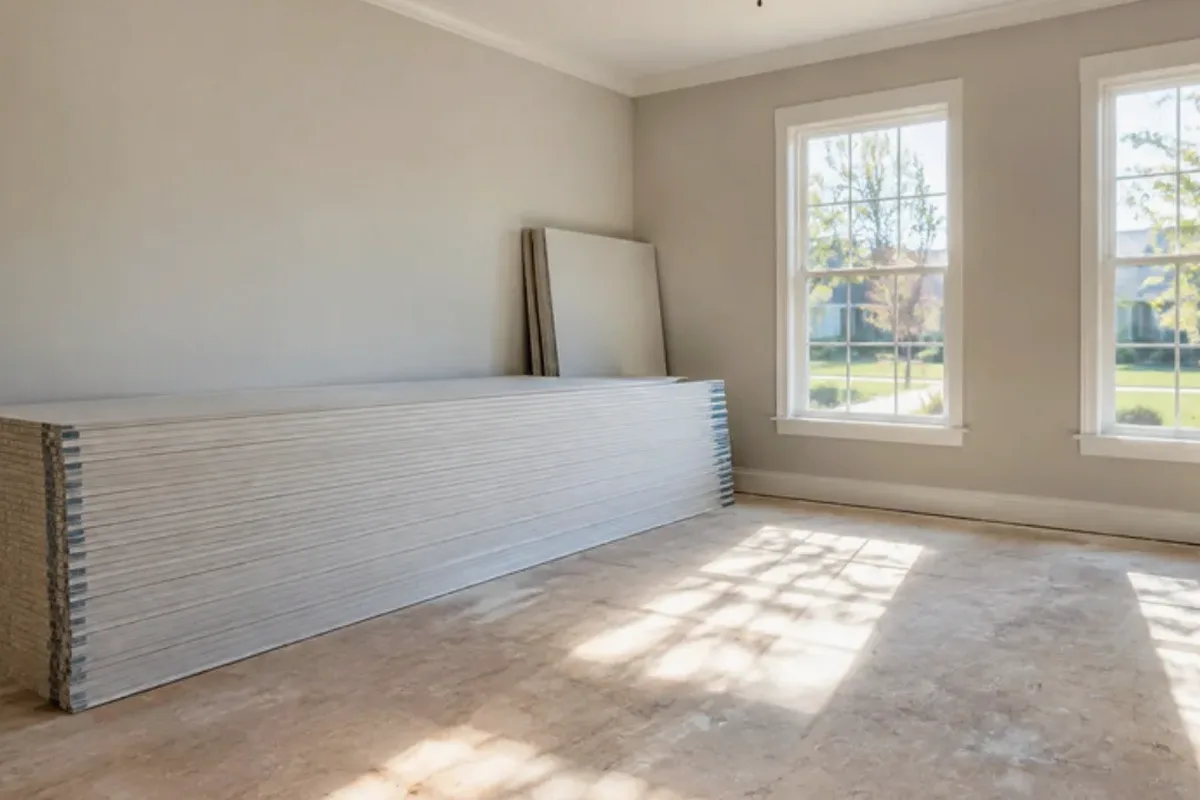
The assessor begins by looking. Surfaces in the work area should show no visible growth, dust or debris, and removed materials should be off the site. Leftover staining is noted, since it can point to moisture or a spot cleaning missed. Expect questions about anything that looks odd.
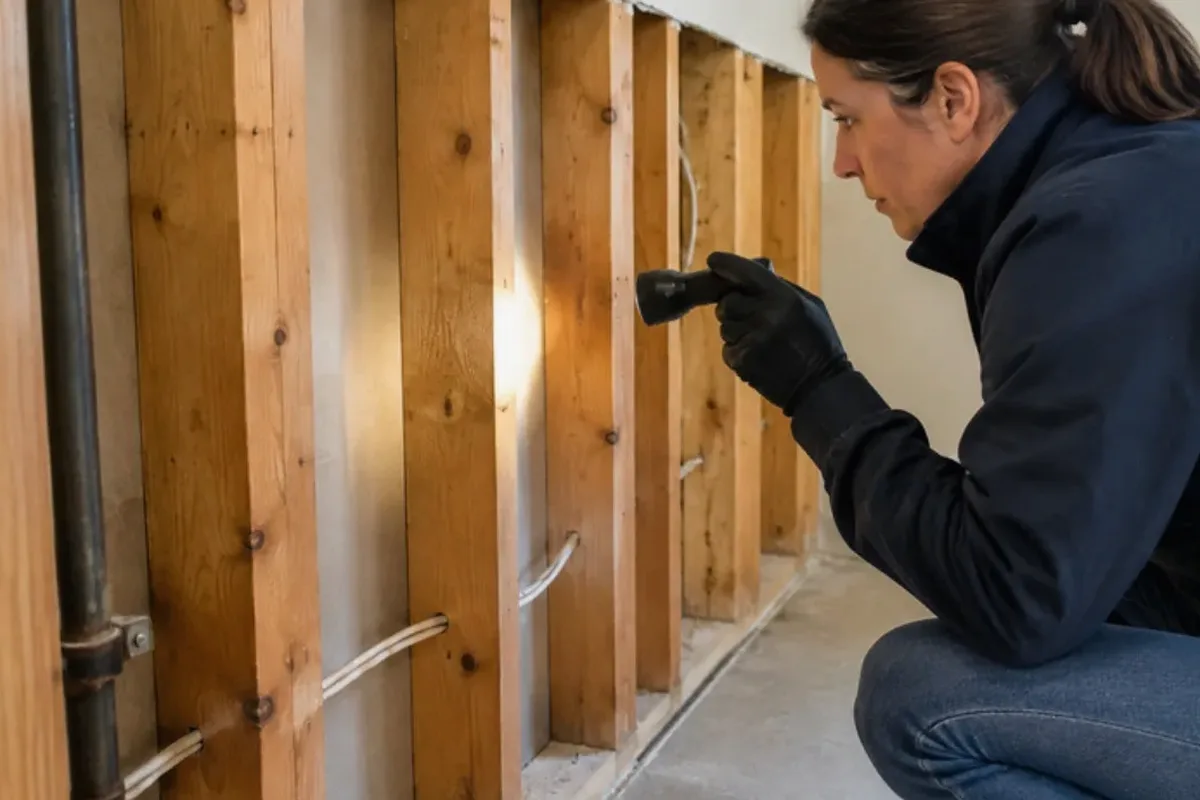
Houses in Glenview built in the 1970s often have layers of past repairs, so the assessor reviews old patches and plumbing updates before deciding whether the work area truly passes.
Near a river, creek or the lakeshore, a passed clearance matters twice over: nearby water makes repeat growth more likely, so keep moisture control in place after the work is done.
Permits and license checks in Glenview
IDPH advises that mold growth larger than about 10 square feet be cleaned up by a professional remediator. Remediation providers in Illinois register with IDPH, so that registration is the first thing to confirm.
Ask whether the company that removes the mold will also test its own work. Many owners prefer an independent assessor for clearance.
Remediation itself is cleanup, but putting the room back together can be permitted work; ask the contractor whether the Village of Glenview needs to be involved.
If river, creek or storm water got inside, FEMA's flood map service and your insurer can tell you how the address is zoned.
Companies that take calls here usually also work in Golf, Morton Grove and Northbrook.
Items to price out
- Samples listed in the plan
- Moisture survey during the visit
- Written report with lab pages
- Fee if the assessor must return
- Photo log
Having these in hand before you sign lets you compare two assessors fairly. Ask each to confirm in writing.
Access and clutter
Clear a path to basement walls, attic hatches, crawl spaces and mechanical rooms before the assessor shows up. Anything blocked may go unchecked or force a second trip. Mention locked areas or stored items that cannot easily be moved. Ten minutes of clearing can save a return trip.
When the first review fails
A fail is information, not a disaster. The assessor names the spots or readings that fell short, and the remediator redoes them before the assessor returns. Common causes are leftover dust, damp framing or a moisture source that was never fully corrected. Ask the assessor what to expect next and how long a retest takes.
Glenview at a glance
Calls come in from across Glenview, including around Downtown Glenview, The Glen Town Center, The Grove National Historic Landmark.
Post-Remediation Clearance Testing questions in Glenview
When is clearance scheduled?
How is the fee figured?
Will a pass stop mold from returning?
Which records should I keep afterward?
More mold services in Glenview
Post-Remediation Clearance Testing nearby
Helpful guides
Sources
- Village of Glenview Development Center (Inspectional Services Division)
- Illinois Department of Public Health: mold remediation registration
- Illinois Department of Public Health: mold FAQs
- Illinois General Assembly: Home Repair and Remodeling Act
- EPA: A Brief Guide to Mold, Moisture and Your Home
- Glenview housing by year built
Last updated: