Clearance cannot stop mold from returning, because it describes one area on one day. Fixing the water source and holding indoor humidity down is what keeps growth away. Call the number on this page to be connected with a local mold company in Naperville.
Is it ever optional?
For a small cleanup, owners sometimes skip a formal review, and EPA says a homeowner can often handle a patch under about 10 square feet. With bigger, deeper or hidden work, skipping clearance means trusting the contractor alone. A written pass costs little by comparison.
Lingering dust is a finding
Cutting out wet drywall throws fine particles around, and a final review checks surfaces for what remains. HEPA vacuums and damp cloths usually take care of it. If a shelf or stud still feels gritty, the area can fail without any growth present, and one more pass often solves it.
Near a river, creek or the lakeshore, a passed clearance matters twice over: nearby water makes repeat growth more likely, so keep moisture control in place after the work is done.
Bigger area, bigger plan
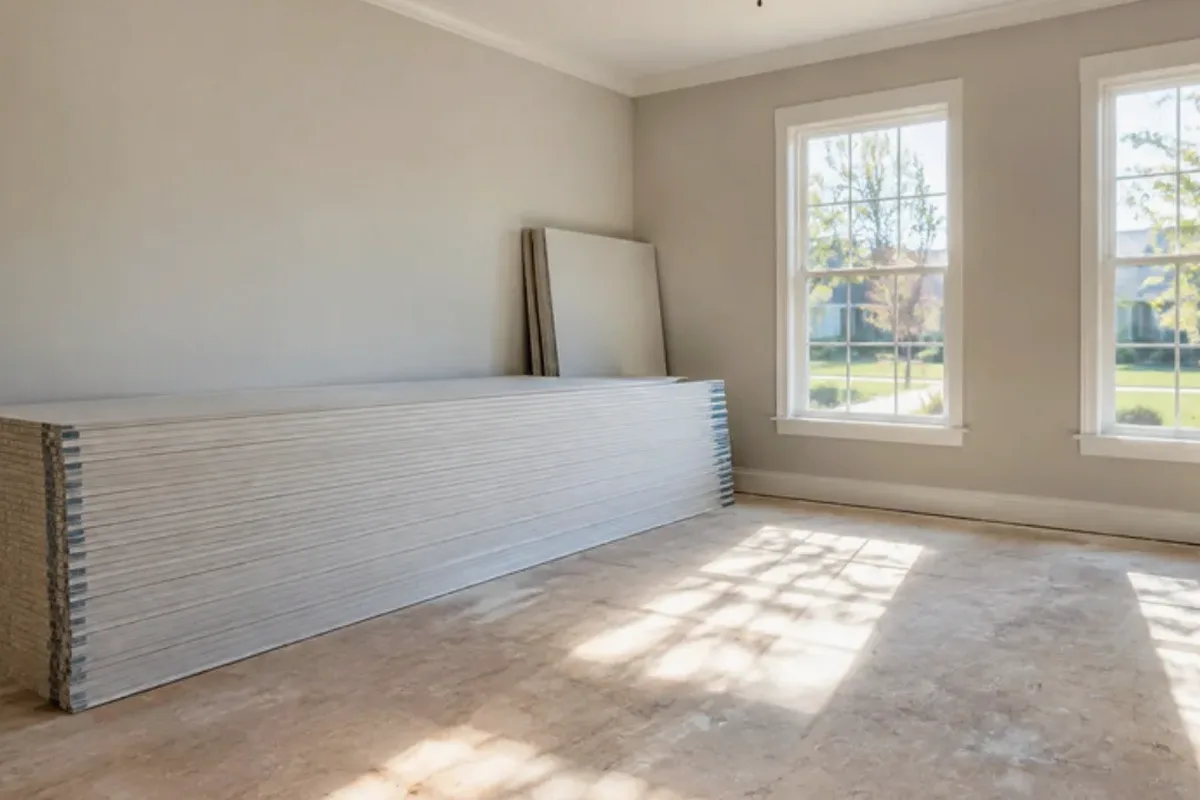
A scrubbed corner of a basement and a gutted lower level need very different plans. More floor area means more samples, longer visits and sometimes a return trip. Expect questions about square footage, which rooms were involved and what was removed, and send photos if you have them.
Permits and license checks in Naperville
IDPH advises that mold growth larger than about 10 square feet be cleaned up by a professional remediator. Remediation providers in Illinois register with IDPH, so that registration is the first thing to confirm.
Ask whether the company that removes the mold will also test its own work. Many owners prefer an independent assessor for clearance.
Remediation itself is cleanup, but putting the room back together can be permitted work; ask the contractor whether the City of Naperville needs to be involved.
If river, creek or storm water got inside, FEMA's flood map service and your insurer can tell you how the address is zoned.
Companies that take calls here usually also work in Aurora, Warrenville and Lisle.
Being there in person
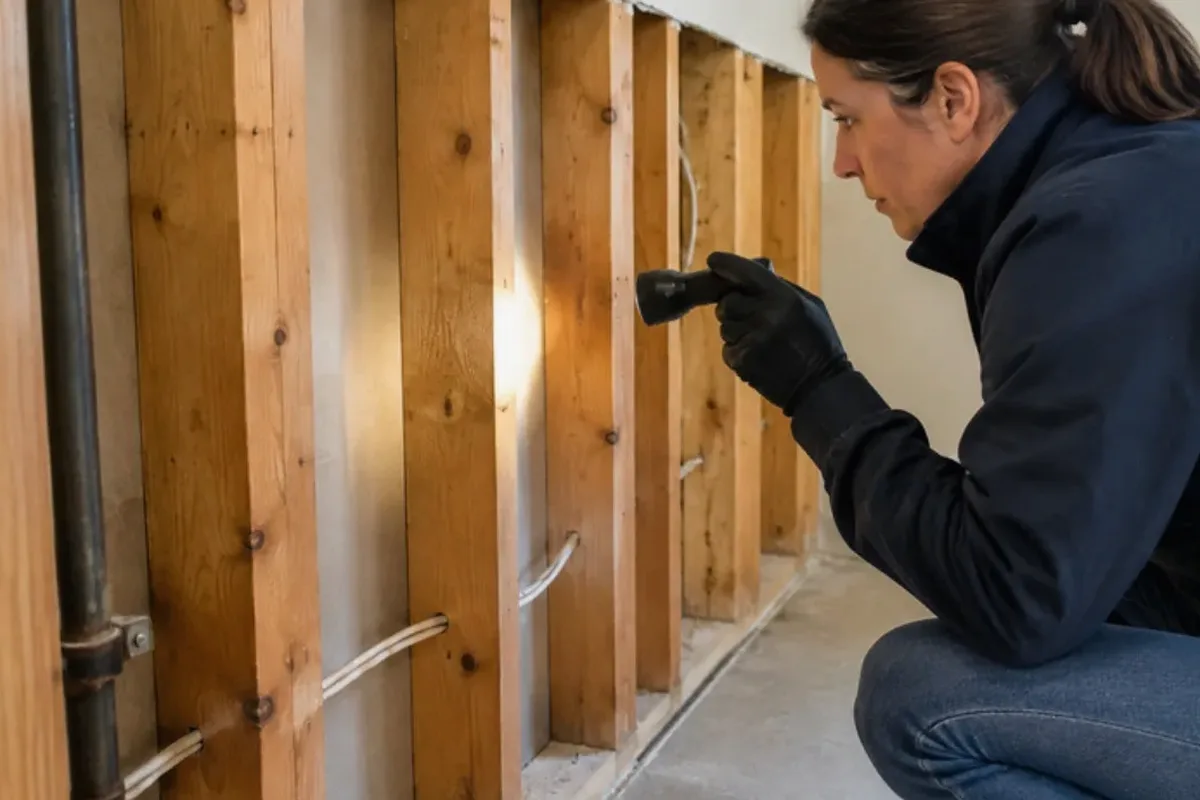
Attending lets you hear the assessor's observations firsthand and point out any spot that worried you. It also gives you a last look at the work area before it is rebuilt. Bring the plan and a flashlight, and ask for dated photos of each cleaned location. A flashlight and the written plan are the only things worth bringing.
Selling or renting afterward
A clearance report gives buyers and tenants a documented result for a past problem. Disclosure duties are a separate matter that depends on your situation, so ask your agent or attorney. Having the paperwork ready tends to shorten conversations at showings. Keep copies where you can find them quickly.
Naperville at a glance
Calls come in from across Naperville, including around Moser Tower and the Millennium Carillon, Centennial Beach, Naperville Riverwalk.
Naperville sits along the DuPage River, and the city has seen major river floods.
Post-Remediation Clearance Testing questions in Naperville
Who should perform clearance?
What if the first review does not pass?
Does a passing result guarantee a healthy home?
Will a pass stop mold from returning?
More mold services in Naperville
Post-Remediation Clearance Testing nearby
Helpful guides
Sources
- City of Naperville Building Permits
- Illinois Department of Public Health: mold remediation registration
- Illinois Department of Public Health: mold FAQs
- Illinois General Assembly: Home Repair and Remodeling Act
- EPA: A Brief Guide to Mold, Moisture and Your Home
- Naperville housing by year built
- Naperville: local background
Last updated: