Smelling or seeing mold without knowing why is the classic reason to start here. Removal can then go to a separate company, so the assessor has no financial interest in a larger job. Call the number on this page to be connected with a local mold company in Naperville.
Tenant questions
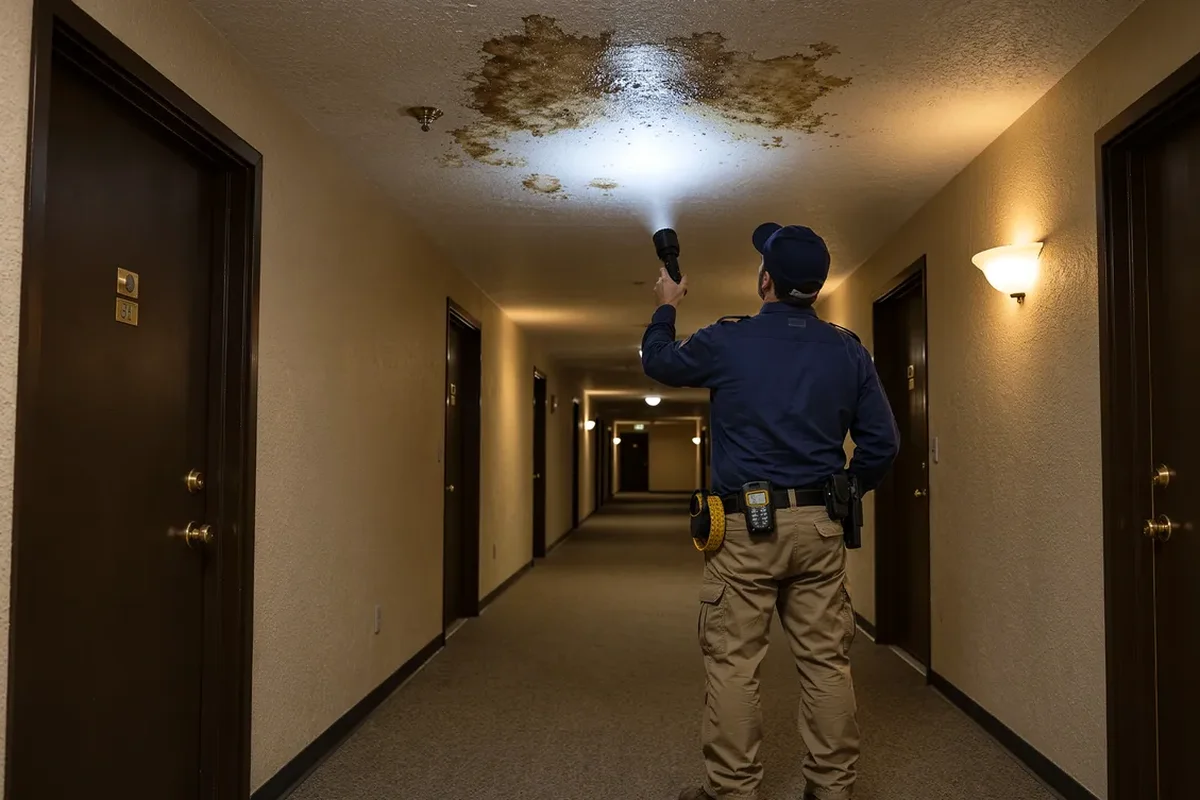
Renters who notice stains or odor often wonder whether it is mold and who has to act. Written findings with photos and moisture readings give a landlord, property manager or tenant something concrete, rather than a dispute over what a stain really is.
Older estates and additions
Larger lots and older houses often mix stone or block, later additions and original plumbing. Water travels along the joint between old and new walls. An assessor can follow staining from room to room and into porches or detached garages. Photos taken during heavy rain help.
Living near a river, creek or Lake Michigan means damper air and a flood risk after heavy rain, so an inspection here considers how the building handles groundwater.
Is it worth the money
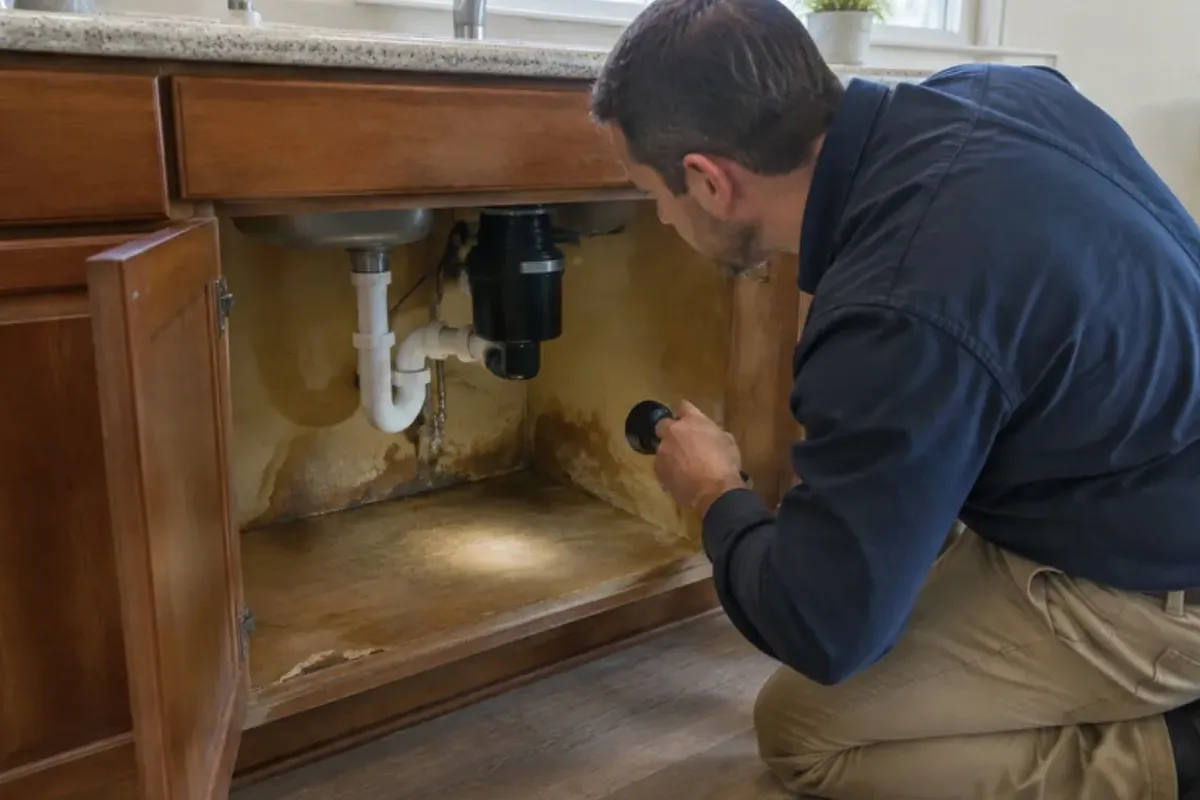
Usually the visit costs less than the guessing it replaces. Cutting open walls at random, repainting a stain or drying the wrong room adds up fast. Learning the moisture source first lets you direct spending to the right place and pay once, instead of treating symptoms.
Who handles what in Naperville
The Illinois Department of Public Health says a clean-up plan that doesn't deal with the underlying moisture problem will fail, and it doesn't recommend testing when you can already see or smell mold.
Keep the inspection report, the scope of work and any clearance results together; buyers, landlords and insurers often ask for them later.
Rebuild work after the mold comes out, such as new drywall or framing, may need a permit; the City of Naperville is where to ask for Naperville addresses.
For flood zone questions after a heavy rain, FEMA's flood maps and your insurance agent can confirm the mapped zone for an address.
Calls from Naperville are often matched with companies that also cover Aurora, Warrenville and Lisle.
What to ask before they start
Find out which instruments will be used, whether any sampling is planned and the reason, who writes the findings and what they include, and whether the company also removes mold. Direct answers inspire confidence. Evasive ones justify calling someone else, since independent local companies vary quite a bit.
Aim for these humidity levels
EPA suggests holding indoor humidity under about 60 percent, with 30 to 50 as the ideal. A small hygrometer tells you where a bedroom or basement stands. Dehumidify where numbers stay high, and use fans during showers and cooking. Logging readings shows seasonal patterns.
More about Naperville
Calls come in from across Naperville, including around Moser Tower and the Millennium Carillon, Centennial Beach, Naperville Riverwalk.
Naperville sits along the DuPage River, and the city has seen major river floods.
Mold Inspection questions in Naperville
What tools do assessors use?
Can an inspection find mold inside walls?
Should the assessor also do the removal?
Where do I get building questions answered in Naperville?
More mold services in Naperville
Mold Inspection nearby
Helpful guides
Sources
- City of Naperville Building Permits
- Illinois Department of Public Health: mold remediation registration
- Illinois Department of Public Health: mold FAQs
- Illinois General Assembly: Home Repair and Remodeling Act
- EPA: A Brief Guide to Mold, Moisture and Your Home
- Naperville housing by year built
- Naperville: local background
Last updated: