Spot or smell mold and the first job is stopping whatever is feeding it. EPA says a homeowner can often clean a patch under about 10 square feet, while larger or concealed growth usually calls for professional help. Call the number on this page to be connected with a local mold company in Winnetka.
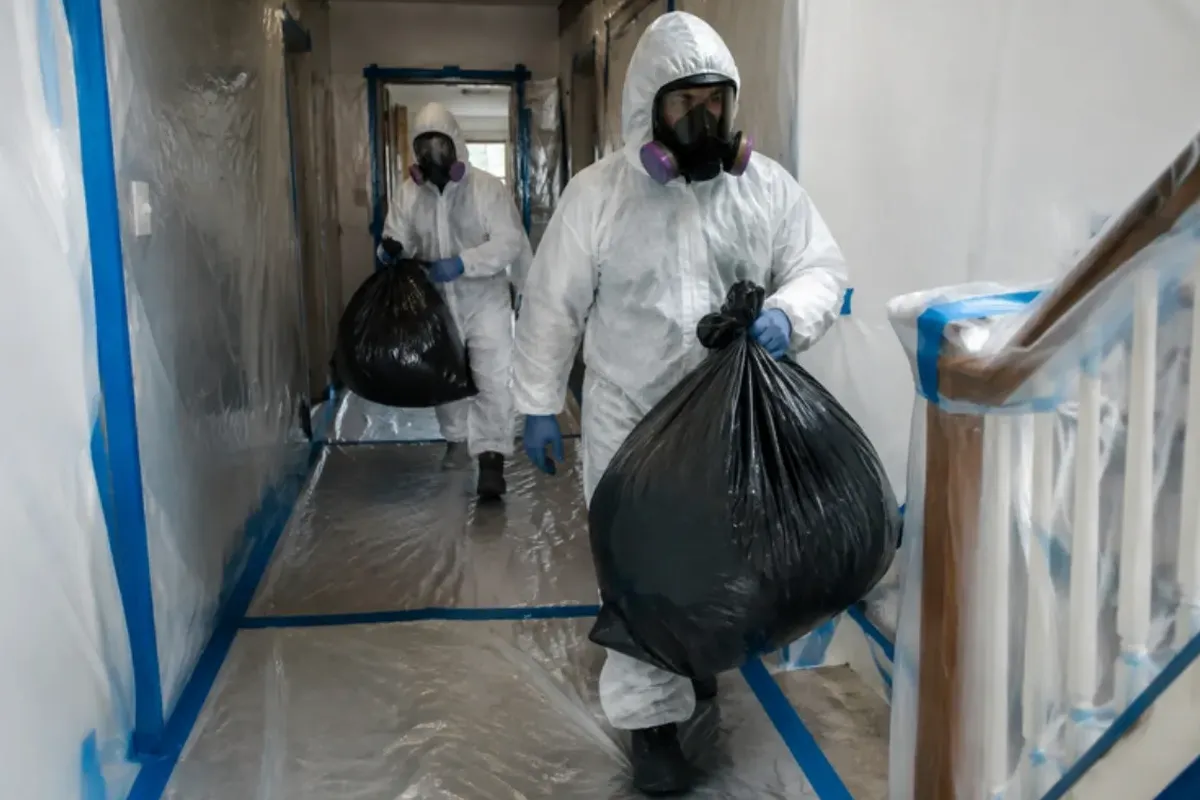
Mold services in Winnetka
Handle it yourself, or not
A thin film of surface growth is frequently an owner's job. EPA draws the line near 10 square feet, with the moisture repaired first. Growth inside a wall or ceiling, or left behind by flood or sewage water, generally belongs with trained crews. A brief call helps you judge.
Tighter houses, new weak points
Newer subdivision homes are sealed well and rely on equipment for humidity control. A blocked condensate line, a dead bath fan or a poured wall that weeps after heavy rain can raise moisture without any sign, and the snug shell holds it in.
Near the water, Winnetka homes absorb added humidity and runoff in heavy weather. Mold often begins in basements, low rooms and along foundation walls that take on seepage.
Likely questions
- Where is the growth and how big is it?
- Did a leak, flood or backup come first?
- Is this a house, condo or rental?
- Do you want an inspection, removal or both?
Your answers steer the referral to the right firm on the first try, so an approximate reply beats none.
Listen to more than one company
When time permits, speak with at least two firms and notice how plainly each explains its plan. Strong ones answer directly, write numbers down and never rush you. The way a company treats you on the phone often forecasts how it will treat your house. Take notes and compare them afterward.
Before work starts in Winnetka
To register with the Illinois Department of Public Health, a mold remediation provider has to show third-party certification and financial responsibility. A business that only inspects or tests for mold doesn't need that registration.
Ask whether the company that removes the mold will also test its own work. Many owners prefer an independent assessor for clearance.
If the job grows into replacing drywall, cabinets or framing, ask whether the rebuild needs a permit from the Village of Winnetka.
If river, creek or storm water got inside, FEMA's flood map service and your insurer can tell you how the address is zoned.
Nearby, the same kind of help is available in Glenview, Kenilworth and Wilmette.
Duration of a typical job
A small contained cleanup can wrap up in a day or two. Basements, attics and duct systems run longer, and drying stretches the schedule further. Request a written timeline and ask what might change it, for example damage discovered behind a wall. Ask for a calendar of the main steps.
After water, the clock runs
A storm, burst pipe, sewer backup or failed appliance starts a countdown. Drywall, insulation and flooring left wet are where mold usually begins, and EPA advises drying within 24 to 48 hours. If that window has closed, call anyway and give the date the water came in.
Common questions in Winnetka
Is it safe to clean mold on my own?
What leads to mold in Chicago-area homes?
How can I judge whether a mold company is qualified?
Is a permit required for mold repairs in Winnetka?
Nearby cities and towns
Sources
Last updated: