Many homeowners fear that one black spot condemns the house, yet the steps are ordinary: locate the leak, contain the area, remove damaged porous material and dry everything out. Call the number on this page to be connected with a local mold company in Wheaton.
Three questions before you call
- How wide is the dark area?
- Is the material wet now, or was it recently?
- Did a leak, roof problem or sewer backup occur close by?
Your answers let a company size up the job quickly. A photo with a tape measure alongside is useful.
Slabs, crawl spaces and additions
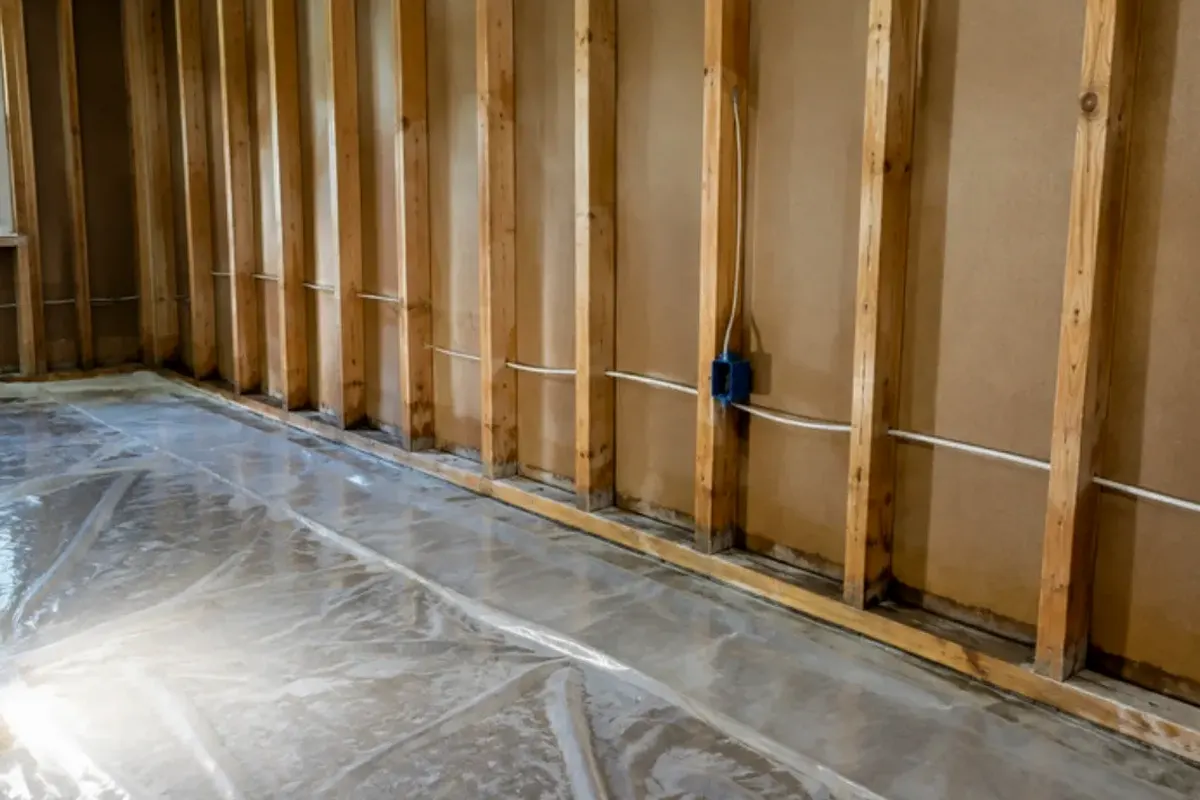
Many newer subdivision homes and room additions sit on slabs or crawl spaces, with plumbing and ducts tucked under the floor. Leaks there are harder to notice, so dark growth often appears on baseboards or inside cabinets well after the water started.
With so many Wheaton homes built in the 1970s, companies often find old moisture damage in plaster, joists and ceilings, with dark growth that has been spreading quietly for a long time.
Porous materials change the plan
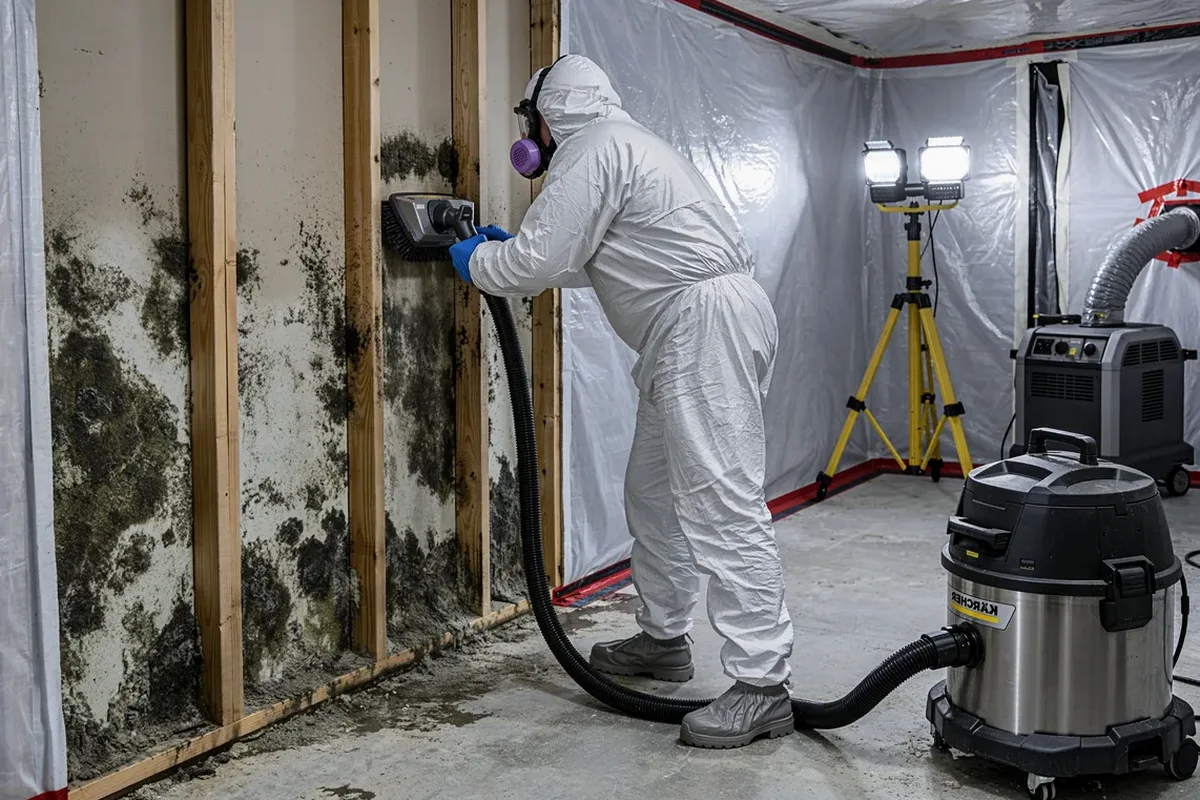
Drywall, ceiling tile, carpet pad and insulation absorb water and keep growth below the surface. EPA notes that porous materials that stay moldy usually have to be removed. Solid framing lumber and ceramic tile hold up better and may be cleaned right where they are, keeping the job smaller.
How debris gets out
Bagged drywall, insulation and flooring ought to leave by a protected route, not through clean rooms. Ask how that path will be covered and whether floors, stair rails and doors are shielded. With a narrow basement stairwell, the route out can be the hardest part.
Move while it is small
Dark patches keep spreading as long as the surface stays wet. EPA suggests drying wet materials within a day or two. After growth appears, the faster the water is stopped and the area assessed, the less material may need replacing, and the simpler the repair tends to be.
Local details for Wheaton
For home repair or remodeling work over $1,000 in Illinois, the contractor must furnish a written contract with the total cost before work starts, along with the pamphlet called Home Repair: Know Your Consumer Rights.
Some owners hire one independent company for the inspection and clearance check and a different company for the cleanup, so the business judging the result isn't the one that did the work.
If the job grows into replacing drywall, cabinets or framing, ask whether the rebuild needs a permit from the City of Wheaton.
If river, creek or storm water got inside, FEMA's flood map service and your insurer can tell you how the address is zoned.
Calls from Wheaton are often matched with companies that also cover Glen Ellyn, Winfield and Carol Stream.
Wheaton at a glance
Calls come in from across Wheaton, including around Downtown Wheaton, Roosevelt Road (Route 38), Butterfield Road (Route 56).
Wheaton participates in the National Flood Insurance Program, and parts of the city sit near DuPage County watercourses such as the West Branch DuPage River and Spring Brook.
Black Mold Removal questions in Wheaton
Do I need mold testing before removal?
Do Illinois removal companies have to register?
How do I know the mold is really gone?
Does insurance pay for black mold removal?
More mold services in Wheaton
Black Mold Removal nearby
Helpful guides
Sources
- City of Wheaton Building Department
- Illinois Department of Public Health: mold remediation registration
- Illinois Department of Public Health: mold FAQs
- Illinois General Assembly: Home Repair and Remodeling Act
- EPA: A Brief Guide to Mold, Moisture and Your Home
- Wheaton housing by year built
- Wheaton: local background
Last updated: