Most lower-level mold here starts with water that found a way in: a seeping wall, a flooded window well, a pump that quit or a drain that overflowed. Real repair means stopping that water, cutting out soaked material and drying everything else. Call the number on this page to be connected with a local mold company in Palos Hills.
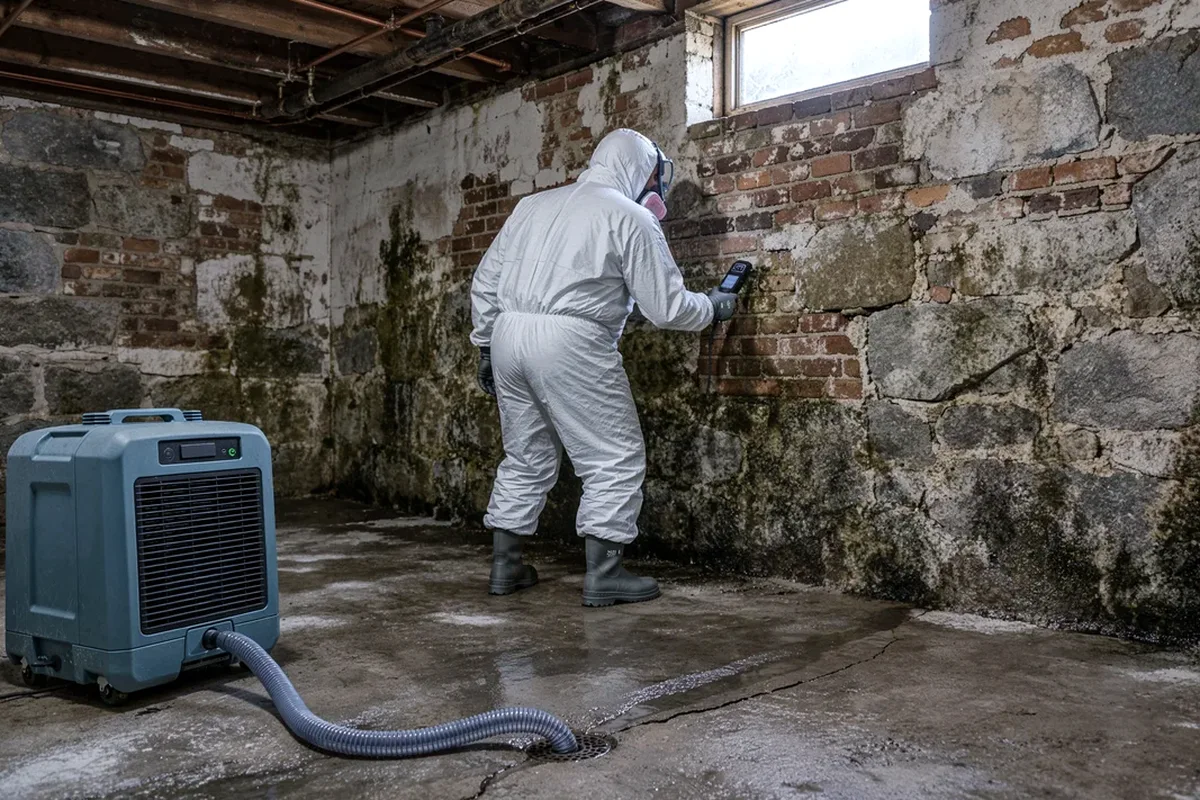
Mold Versus Efflorescence
Brick, block and poured concrete often wear a white or gray mineral film. That film is efflorescence, not mold, but it confirms water is moving through. True mold looks fuzzy, spotted or tinted, and prefers paper, wood and stored belongings to bare masonry. A company can tell the two apart quickly.
Summer Air Meets Chilled Foundation Walls
Humid air drifting downstairs touches masonry that stays cold well into midsummer, and the moisture beads up on the surface. Cardboard, upholstery and lumber leaning against that wall absorb it, so corners and shelving areas often grow mold first. Shelving against the wall is the usual first victim.
Additions and outbuildings around Palos Hills often include lower rooms that seldom get checked, so a slow leak there may run a long time before it is noticed.
Fixing the Entry Point
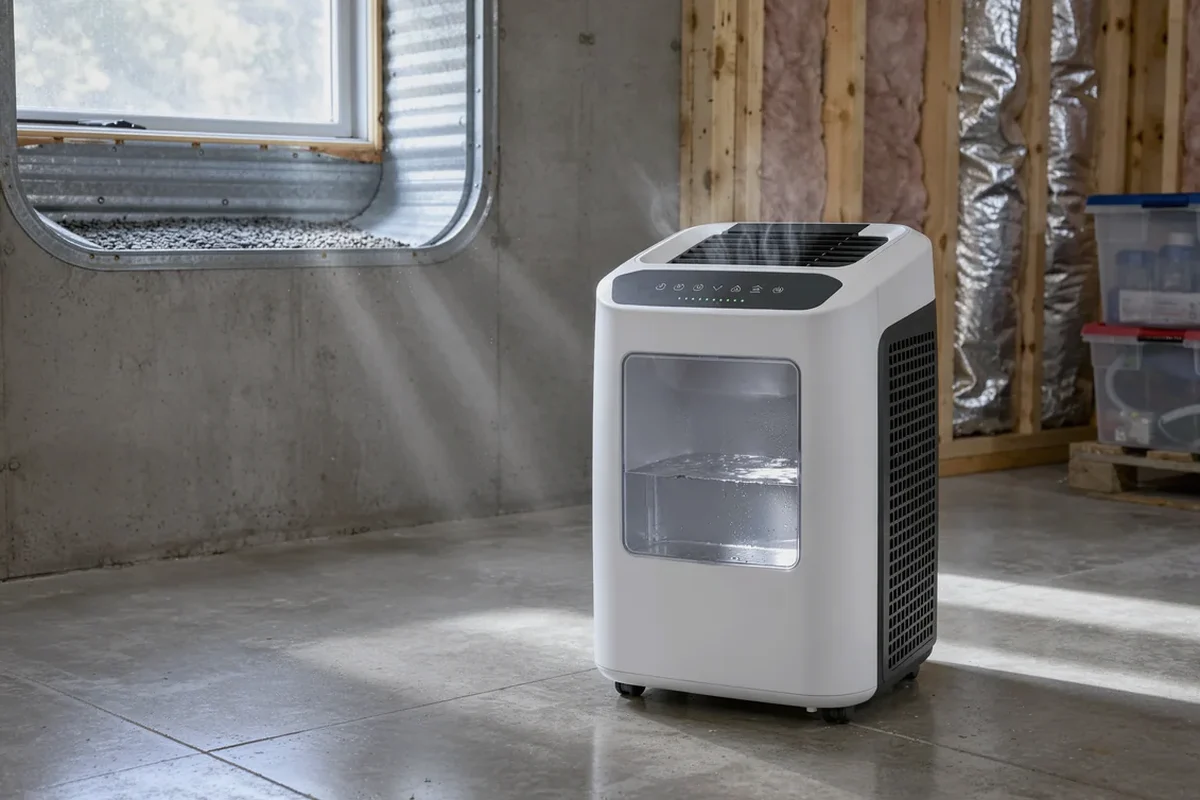
Mold work done while water keeps arriving is wasted effort. Grading changes, a window-well drain, wall sealing, a new ejector pit or a backwater valve may be handled by another trade at a separate price. Find out early what the quote includes. Ask who coordinates it all.
How the Job Usually Unfolds
- Correct the water source
- Isolate the work zone
- Tear out soaked carpet, cushion and drywall
- Clean masonry and framing
- Dry the space with fans and dehumidifiers
- Verify readings and rebuild
Order shifts by house, yet drying and source repair are always present. Ask which step comes first.
Skip the Bleach Bottle
For ordinary mold cleanup, EPA generally steers people away from bleach and other biocides, and bleach will not dry a wall or halt seepage. Scrubbing with detergent and drying thoroughly accomplishes more. If staining keeps returning, hunt for the water that supplies it, and fix that.
Who handles what in Palos Hills
Illinois asks mold remediation companies to register with the Illinois Department of Public Health under the Mold Remediation Registration Act. Ask for that registration before cleanup starts; IDPH does not license people who only do mold assessments or testing.
Some owners hire one independent company for the inspection and clearance check and a different company for the cleanup, so the business judging the result isn't the one that did the work.
Check with the City of Palos Hills before walls, cabinets or flooring go back in if the work goes beyond cleanup.
For flood zone questions after a heavy rain, FEMA's flood maps and your insurance agent can confirm the mapped zone for an address.
Nearby, the same kind of help is available in Oak Lawn, Worth and Hickory Hills.
Basement Mold Removal questions in Palos Hills
Do I need the air tested?
Is a sewage backup treated differently from a leak?
Is a permit needed to rebuild a finished basement?
What if my rented lower-level unit has mold?
More mold services in Palos Hills
Basement Mold Removal nearby
Helpful guides
Sources
Last updated: