When choosing a company, compare written scopes first and ask about training and experience. Many owners get the best outcome by repairing the water problem before anything else and having an independent assessor review the work. Call the number on this page to be connected with a local mold company in Orland Park.
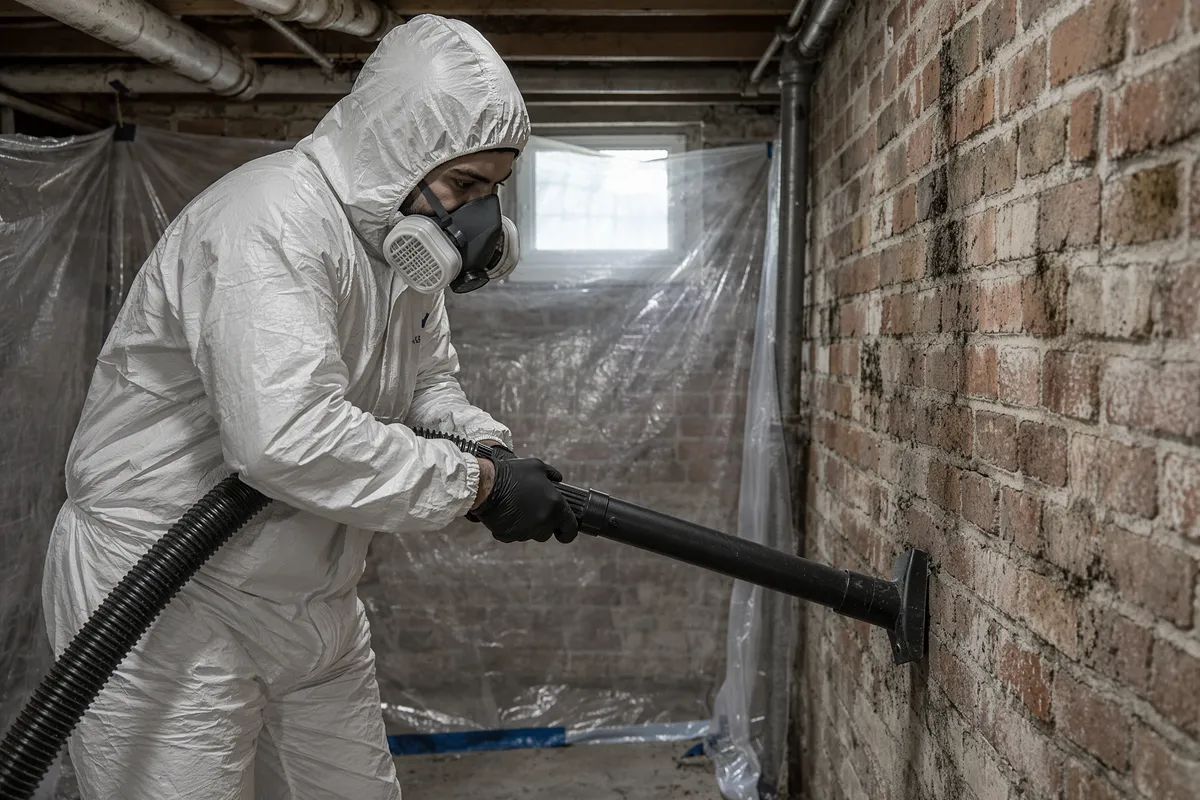
Mold services in Orland Park
The usual path of a mold problem
A stain or odor appears. Someone traces the water. An assessor records the damage, a remediator does the work, materials dry and a final check confirms it. Because local firms cover every stage of that path, one call makes sense whichever step you are at.
Basements lead the list
Brick and block foundation walls in older bungalows and post-war ranches pass moisture, and a stalled sump pump or a floor drain that surges during a cloudburst makes things worse. Cardboard, carpet and wood paneling kept below grade supply the food. A hygrometer shows whether the basement stays humid.
Useful local contacts for Orland Park
On Illinois jobs over $1,000, the contractor should have you sign a Consumer Rights Acknowledgment Form when it hands over the state's home repair consumer-rights pamphlet.
Keep the inspection report, the scope of work and any clearance results together; buyers, landlords and insurers often ask for them later.
Remediation itself is cleanup, but putting the room back together can be permitted work; ask the contractor whether the Village of Orland Park needs to be involved.
For flood zone questions after a heavy rain, FEMA's flood maps and your insurance agent can confirm the mapped zone for an address.
Nearby, the same kind of help is available in Tinley Park, Palos Park and Palos Heights.
Uncertain callers are welcome
You need not know the correct term or be sure it is mold. A stale odor, a stain that keeps coming back or a damp wall is reason enough. Whoever answers can tell you whether it sounds like a job for an inspection, a crew or just home upkeep.
If an insurer is involved
Before work begins, ask your insurer what it needs to see, such as photos, an assessor's report or moisture logs. Hold on to invoices, the plan and any closing results. Coverage for mold varies by policy, so read yours or call your agent. Photos taken before and after help any claim.
Safeguards around the work area
- Poly sheeting walls off the room
- A HEPA-filtered fan pulls air outward
- Debris is bagged inside the zone
- Surfaces get cleaned and dried last
Ask the company to narrate its own steps so nothing surprises you. Ask which steps apply to your property.
Once cleanup ends
Before walls close and rebuilding starts, ask an independent assessor to review the work. The visit usually covers a visual look, moisture readings and optional sampling. Afterward, repair leaks promptly and watch humidity, since mold comes back wherever moisture does. Keep the report with your house papers.
Common questions in Orland Park
What does mold removal involve?
What leads to mold in Chicago-area homes?
What should I do after a flood, storm or sewer backup?
Can furnaces and ducts grow mold?
Nearby cities and towns
Sources
Last updated: