Dark growth in a Chicago-area home usually points to ongoing dampness, such as a seeping foundation wall, a roof leak, a sewer backup or condensation on a cold outside wall. The plan follows area and materials. Call the number on this page to be connected with a local mold company in Lake Bluff.
Favorite hiding places
Bathrooms, laundry nooks and closets on exterior walls lead the list, followed by window sills and the ceiling under an upstairs shower. Basement joists, cold rim spaces and the backs of stored boxes also qualify. Growth settles where air stays still and surfaces stay wet.
Why it happens in this region
Sticky summers push dampness down into basements, and bitter winters leave condensation on windows and exterior walls. Each season keeps surfaces wet for days at a stretch. That repeating pattern explains many dark patches in stairwells, closets and lower rooms across Lake County.
Properties near the water around Lake Bluff stay damp longer after heavy rain, and lake-effect air adds to it. That lingering moisture is a common starting point for dark mold on foundation walls.
Homes outside the busy core near Lake Bluff often have older additions and detached garages where moisture sits unnoticed, so dark growth can be well established by the time anyone sees it.
Small stain, big wet area
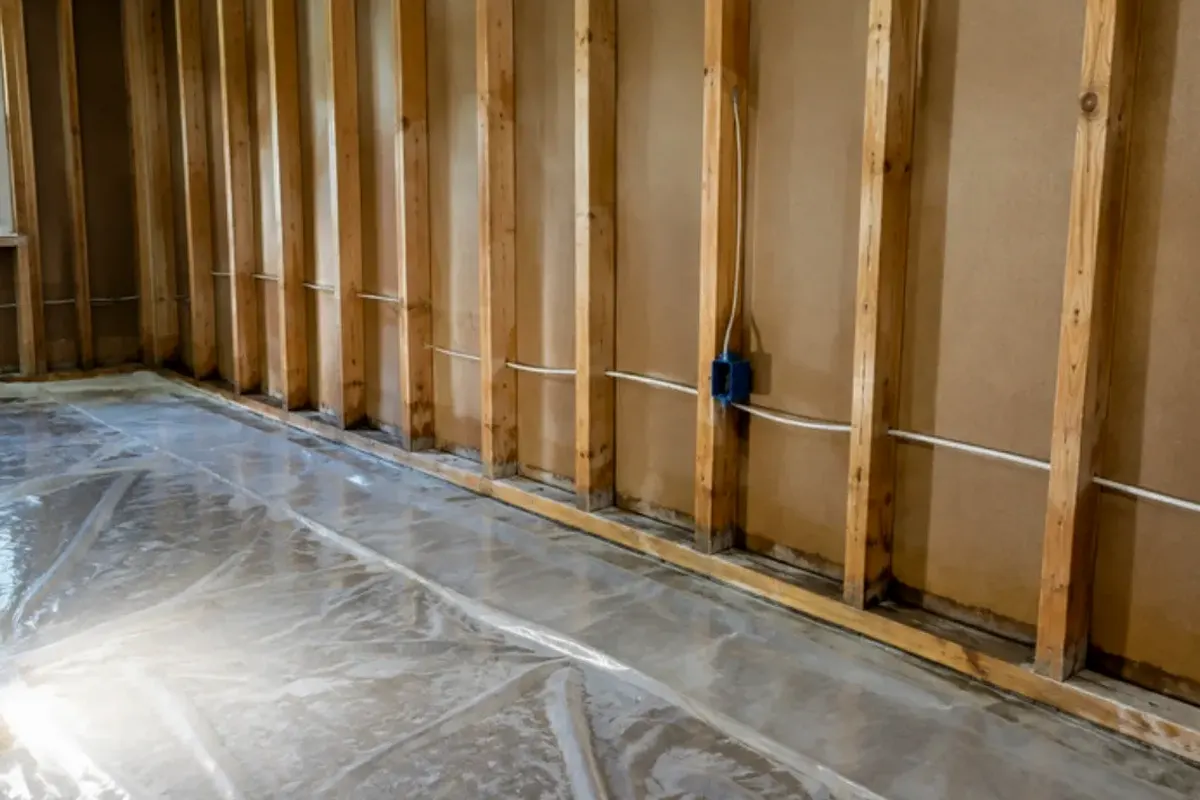
A palm-sized mark can sit on top of a much larger damp section. A moisture meter and a look behind the board answer that. The scope may grow or shrink once hidden material is checked, so early numbers over the phone are only a starting point.
Who handles what in Lake Bluff
On Illinois jobs over $1,000, the contractor should have you sign a Consumer Rights Acknowledgment Form when it hands over the state's home repair consumer-rights pamphlet.
Some owners hire one independent company for the inspection and clearance check and a different company for the cleanup, so the business judging the result isn't the one that did the work.
If the job grows into replacing drywall, cabinets or framing, ask whether the rebuild needs a permit from the Village of Lake Bluff.
Water that came in from outside raises insurance questions; FEMA's flood map search shows whether the property sits in a mapped flood zone.
Nearby, the same kind of help is available in Buffalo Grove, Lake Forest and Highwood.
A typical job in order
Order varies from house to house, though most jobs run from first look to final check like this.
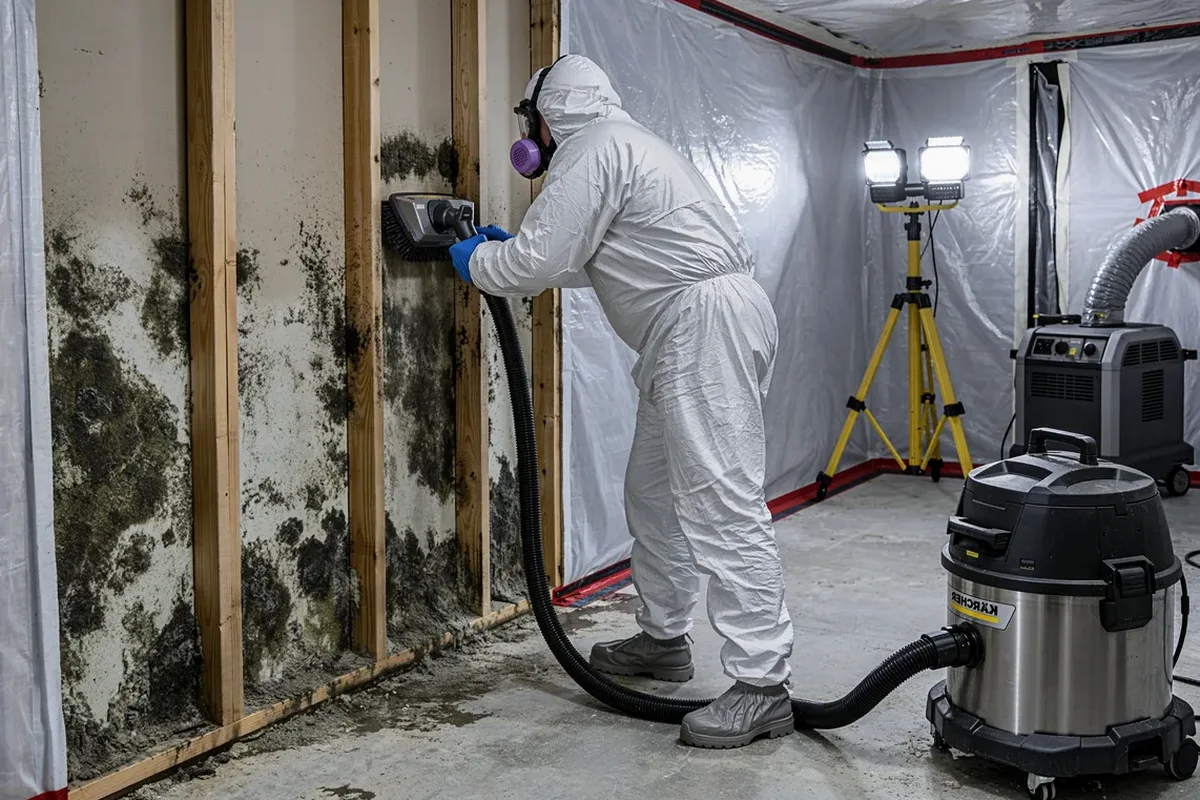
- Moisture mapping and photos
- Sealing off the work area
- Removing damaged porous material
- Cleaning and HEPA vacuuming
- Drying and a closing walkthrough
Keep humidity down
EPA recommends holding indoor humidity under about 60 percent, ideally 30 to 50. An inexpensive hygrometer shows where you stand. During sticky summers, a basement dehumidifier and working exhaust fans handle most of the job.
Black Mold Removal questions in Lake Bluff
Is black mold more dangerous than other mold?
Does bleach kill black mold?
Does insurance pay for black mold removal?
Who handles repair permits in Lake Bluff?
More mold services in Lake Bluff
Black Mold Removal nearby
Helpful guides
Sources
Last updated: